Coriander Health Benefits: Culinary Uses, Recipes, Storage, and Contraindications
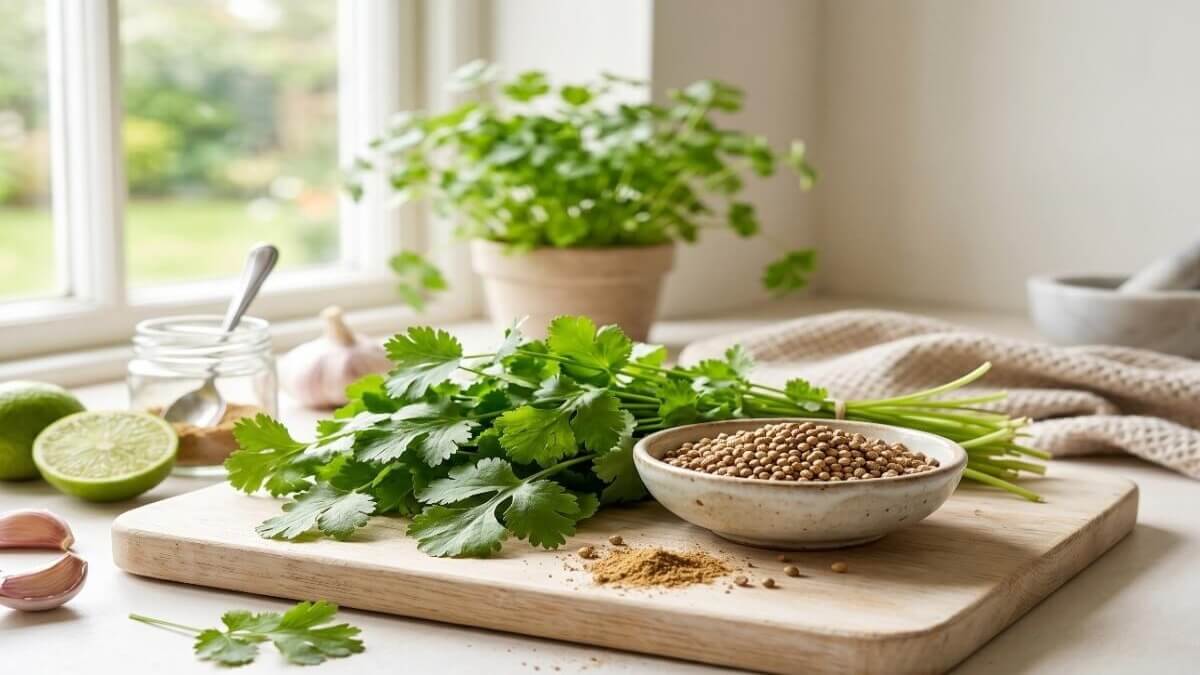
Coriander is a common spice used for various purposes, most commonly in cooking. However, it is also used in other fields, including cosmetology, aromatherapy, and traditional folk remedies. Coriander has a distinctive, piquant, aromatic profile that imparts a refined flavor to dishes. Its traditional topical use is also valued for soothing mild skin irritation.
What Is Coriander?
Coriandrum sativum, a member of the Coriandrum genus and Apiaceae family, is a spice known since ancient times. It is also known as cilantro. Regional and reference sources list other names. In Belarus, coriander is called “kalyandra”; in the North Caucasus, “kolyandra”; in Armenia, “hamem”; and in Turkey, “kashnich.” Other countries have even more elaborate names.
Its medicinal properties are even mentioned in ancient texts, including biblical and Sanskrit writings. In ancient times, people valued the plant for general nutrition and digestive comfort rather than treating scurvy. It is highly resilient and requires few growing conditions, which is why it sometimes appears as a weed. All parts of the plant—the root, the greens, and the seeds—have traditional culinary and wellness uses.
What Does Coriander Look Like?
Coriander is an annual, unremarkable plant that grows 30 to 90 cm tall. Its size depends on the variety and growing location. Young coriander has wide, rounded, pinnate leaves divided into three parts. Mature plants have double-branched leaves. Coriander begins blooming in early summer, a period that lasts a month. The flowers are small, white or pale pink, and the pendulous stems are round and grooved. The plant produces brown seeds ranging from 2.5 to 5 mm in size.
How and Where Does Coriander Grow?
Coriander originated on the shores of the Mediterranean Sea. It later became famous in Europe and Asia. Today, it’s a leading spice in cultivation and export. It’s grown widely across regions, even indoors. Its key requirements include plenty of sun, sandy and loamy soil, and moderate watering. However, the plant even tolerates drought well.
Taste and Aroma of Coriander vs. Cilantro
Coriander has a sweet aroma, a blend of citrus and bark. These notes come from the high concentration of essential oils. Fresh coriander has a strong scent, but people perceive its taste and aroma differently—some describe it as reminiscent of musk, soap, or lemon.
Unripe seeds have an unpleasant, bug-like odor. But this disappears as they ripen. When added to food, the spice imparts a light, woody aroma. Coriander has a lemony, peppery flavor that is slightly bitter, with a hint of spiciness. However, this depends on the plant variety and part used. The greens have a lemony, spicy, bitter flavor, while the seeds are tart and pungent, with a hint of anise.
Health Benefits and Contraindications of Coriander
Coriander’s benefits are both medicinal and culinary. Every part of the plant—the root, the seeds, and the leaves—has traditional wellness properties. Herbal teas containing coriander are commonly used as a gentle, supportive beverage alongside standard care.
Health Benefits of Coriander
The plant contains many vitamins, fatty and essential oils, and trace elements, which contribute to its benefits. Its seeds are rich in dietary fiber, polyphenols, ascorbic acid, and folate. Linalool can help soothe mild respiratory discomfort. Traditional lore sometimes links aromatic spices to desire, though coriander is not a proven medical aphrodisiac.
Fresh leaves are low in calories—100 grams of fresh leaves contain only about 23 kcal (whereas 100 grams of dried coriander seeds contain about 298 kcal, with dietary fiber, fats, and protein). Supportive wellness benefits associated with coriander include:
-
strengthens the immune system;
-
has anti-inflammatory and antimicrobial effects in laboratory studies;
-
supports healthy blood vessels and circulation;
-
relaxes and calms the nervous system;
-
may help support healthy blood pressure alongside a balanced diet;
-
improves the functioning of the digestive tract;
-
helps support mood and stress relief alongside proper care;
-
supports bone, joint, and muscle nutrition through trace minerals;
-
has antioxidant activity (due to vitamin C and polyphenols);
-
relieves mild fluid retention as a gentle diuretic;
-
improves the functioning of the urinary tract;
-
eliminates colic and flatulence;
-
supports gum health as part of oral hygiene;
-
provides dietary iron and vitamin C as part of an anemia-aware diet;
-
eliminates mild digestive discomfort;
-
supports digestive comfort;
-
promotes weight management alongside a balanced diet;
-
reduces symptoms of painful periods;
-
acts as a gentle choleretic (bile-stimulating) aid;
-
supports general reproductive wellness;
-
supports vitality and general well-being;
-
helps ease mild constipation through fiber and fluids.
Coriander is a helpful culinary addition to food or unsweetened drinks for those with type 2 diabetes. The spice may help support healthier blood glucose levels alongside medical care. It may have a general health-boosting effect and can be a supportive habit. Ground coriander is included in herbal formulations for the stomach, where it acts as a gentle digestive aid and soothing spice.
Harmful Properties and Contraindications of Seasoning
Besides its benefits, coriander can be harmful if consumed by people with allergies to this spice or spices. Do not give concentrated herbal remedies to children under 3 years of age without medical advice. Caution is recommended when using concentrated coriander preparations if you have:
-
blood-clotting issues or take blood thinners;
-
cardiac ischemia;
-
hypotension;
-
high stomach acidity;
-
gastritis;
-
gastric ulcer in the acute stage.
However, these contraindications also depend on individual tolerance and dose; if you experience any of these, consult a doctor. Coriander is generally safe in culinary amounts and can be consumed in food by pregnant and lactating women, while concentrated extracts or essential oils should be avoided during pregnancy and lactation unless approved by a doctor.
How to Store Coriander Seeds and Fresh Leaves
Store coriander seeds in sealed containers for up to a year, protected from light, drying out, and moisture. Grind them immediately before use. You can then transfer ground seeds to a glass jar and store them in a cool, dark place or the refrigerator for short-term use.
Methods for Storing Plant Leaves
Drying
You can dry the herbs in the oven (at 40–45°C) or hang them in bunches in a ventilated area. This spice will keep for up to a year.
Pickling
The herbs are chopped, salted, and packaged in glass jars. They are then stored in the refrigerator.
Freezing
The leaves are ground into a puree, placed in bags, and frozen.
Coriandrum sativum spice is also sold in pre-packaged sachets. In this case, the packaging indicates the expiration date. Store it in a cool, dry, dark place rather than on a sunny windowsill, as light degrades essential oils. After the expiration date, the spice does not become harmful if kept dry, but its aroma and potency are reduced to a minimum.
Coriander in Cosmetology
In cosmetology, coriander is used as a botanical ingredient in various forms—extracts, powder, and most often essential oil. These oils can be added to facial, body, nail, and hair care products. They can also be included in toothpastes, mouthwashes, and gum gels. The benefits of coriander in cosmetology include:
-
tones;
-
soothes irritated skin;
-
protects from environmental stressors;
-
calms minor inflammation;
-
accelerates the healing of minor skin damage;
-
helps soothe mild skin discomfort;
-
prevents the appearance of minor rashes;
-
has an antimicrobial effect;
-
helps inhibit certain fungi in formulated care;
-
has a beneficial effect on hair and scalp.
Essential oil is convenient for making homemade toners, masks, creams, and body lotions when properly diluted in a carrier oil (typically 1–2%) and patch-tested first. Add coriander to baths and use it for compresses.
Culinary Uses of Coriander
Coriander is most widely used in cooking. It pairs beautifully with many other spices. You can use it in any form—fresh, ground, or dried. It has a warming effect in drinks, making it comforting during cold weather.
Where Is Coriander Added?
The herb is often added to salads, and small sprigs of whole coriander serve as garnish. Ground coriander suits many dishes and drinks. Where to add coriander:
-
in first courses – for flavoring and decoration;
-
some industries use the plant’s seeds to make beer and liqueurs;
-
in canned goods, marinades, cheeses, sausages;
-
used for preparing porridge;
-
when pickling cucumbers, they give the brine a brighter and softer aroma and taste;
-
in baked goods and confectionery.
This spice pairs well with many foods—meat, mushrooms, beans, buckwheat, and rice. It’s also used in botanical cocktails and mocktails.
What Spices Does It Go With?
Coriander pairs well with other spices, especially those with a warm or spicy flavor. Common options include garlic, hot pepper, basil, dill, mint, and bay leaf. In meat dishes, add it with cumin, cloves, mustard, and turmeric. In vegetable dishes, coriander pairs well with curry and oregano.
How Much Coriander Is in a Teaspoon?
Recipes specify weight or volume, but if you don’t have a kitchen scale, you might miscalculate quantities. A visual guide is easier to use. You can measure ground coriander in teaspoons. A heaped teaspoon equals about 3 g, a flat teaspoon equals about 2 g, and ½ teaspoon equals about 1.25 g.
What Can You Use Instead of Coriander?
If you don’t have coriander on hand, you can substitute it with caraway. They are from the same family, and both have a woody, earthy flavor. Other options include cumin, fennel, anise, or cardamom, depending on the dish. You can replace the leaves with basil or parsley, and the ground spice with cumin. A versatile alternative for savory dishes is a blend of herbes de Provence.
Popular Recipes with Coriander
Coriander works in almost any dish. Use small sprigs of fresh coriander as a garnish or chop them. They add a wonderful touch to soup, mashed potatoes, or boiled potatoes. For other dishes, it’s recommended to toast the seeds in a pan, then grind them before adding the spice. The most popular recipes with coriander include:
-
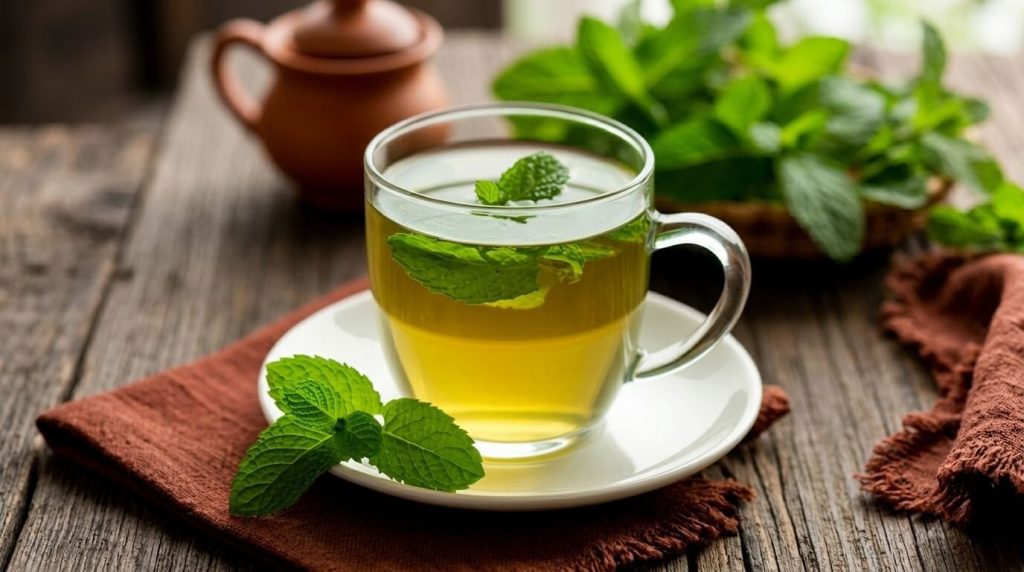
Spiced tea provides double benefits – it helps warm you up and support normal digestion. To make it, add 1–2 teaspoons of crushed seeds or fresh leaves to 1 teaspoon of tea leaves in a cup of boiling water. Steep for 10 minutes, strain, and sip while warm. Enjoy up to 2–3 cups per day.
-
For marinades, use ground coriander spice. You can also grind whole coriander seeds into a powder. The amount needed depends on your taste.
-
Korean-style carrots. There are many recipes, but you can add 1 teaspoon of ground coriander per 1 kg of chopped carrots to any of them.
-
You can add this spice to many sauces. Satsebeli is a versatile sauce. The main ingredients are tomatoes, bell or red hot peppers, garlic, fresh herbs, and ground coriander. Add sugar and salt to taste.
-
Spicy-cured mackerel. Prepare a brine with (per cup of water): 3 each of allspice berries, bay leaves, and cloves. Add 2 tablespoons salt and 1 tablespoon sugar, plus 5 black peppercorns and 10 grams ground coriander. Pour the brine over the fish and refrigerate for 3–4 days.
Coriander essential oil is used externally in folk remedies, always diluted properly. For a foot bath, add a few drops (3–5) to warm water. Do not swallow undiluted essential oil on a sugar cube or in honey unless directed by a qualified practitioner, and dilute essential oil in a carrier oil (such as 1–2%) rather than applying a 1:1 ratio directly to skin.
Are Cilantro and Coriander the Same Thing?
Coriander is a spice, also known as cilantro. It’s actually a single plant. However, coriander often refers to its dried seeds, which appear after flowering and are used as a spice. Cilantro often refers to the fresh leaves used as an herb.
Coriander is a beneficial, versatile plant that supports wellness, cares for skin and hair, and adds flavor to meals. The seeds and leaves are useful additions to a balanced diet. Therefore, you can add coriander to suitable foods and drinks daily.