How Long to Wait to Exercise After Eating: Complete Pre-Workout Nutrition Guide
People starting a healthy lifestyle or going to the gym often wonder how long they should wait to exercise after eating. Proper exercise, nutrition, and sleep schedules help maintain good physical fitness and promote weight loss.
Is It Okay to Eat Before a Workout?
Many athletes start their day with exercise, simple calisthenics, or a run. This gives them a boost of energy and helps them maintain fitness for top results. However, it’s important to eat healthy foods in moderation before a workout.
Beginners often choose to fast before exercise. Professionals consider this a mistake and will only exercise on a full stomach. They know hunger causes weakness and reduces workout effectiveness. The basic rules of nutrition for exercise:
-
Avoid eating large amounts of food before exercise. This will help prevent stomach heaviness and reduced performance.
-
Eat moderately before training. If you eat no later than 6:00 PM, you’ll expend the energy you’ve gained throughout the evening and night. In the morning, replenish your energy reserves with a small amount of food to realize the benefits of your workout more quickly.
-
Avoid strength training on an empty stomach. You can do simple exercises, stretching, or warm-ups on an empty stomach. If you plan strength training, replenish your energy reserves with light, healthy foods.
People who exercise on an empty stomach may notice weight loss afterward. This is a trick the body uses to draw energy from muscles, leaving fat cells as a reserve. As a result, exercising after eating burns healthy muscle, not excess weight. Therefore, eat a good meal before exercising to prepare your body for the stress.
What to Eat Before a Workout Based on Your Goal
To make physical exercise easier and more effective, plan your diet correctly. Pre-exercise nutrition depends on your workout goal. A person may be training to build muscle, increase endurance, lose weight, or maintain physical fitness. Their goal determines their nutrition plan.
Training Goal and Standard Nutrition Recommendations
| Target | Diet |
| Losing excess weight | Light foods high in carbohydrates. These include cereals, vegetables, and fruits. Rice, oatmeal, sweet potatoes, and whole-wheat pasta are also good choices. Before a workout, drink kefir with whole-grain crackers or an apple instead of a full meal. |
| Mass gain | Maximum calories with minimal food. It should be rich in carbohydrates and protein. A protein shake and bar are recommended immediately before training. An apple, banana, or pear is also good. For the rest of the day, baked, boiled, or stewed foods are best. Include rice and buckwheat, high-calorie vegetables and fruits, meat, and bread. Train in the afternoon. |
| Developing endurance |
Maintain a balanced nutrient diet. You can do light workouts lasting up to 1.5 hours on an empty stomach. Low-intensity workouts lasting 90 minutes or more, or high-impact exercises of the same duration, require 60-80 g of carbohydrates and 15-40 g of protein. It is better to consume the same amount of protein before complex workouts lasting 1.5 hours or more. You will need twice as much carbohydrate. |
| Drying (Cutting) | Low-fat foods. Emphasize carbohydrate-free, protein-rich foods. Boiled seafood, white meat, broccoli, or cauliflower are best. Omelets, hard-boiled eggs, and low-fat cottage cheese are also good choices. |
It’s important to understand what happens if you exercise immediately after eating. Beginners believe that calories consumed during meals are burned immediately. In reality, the body takes at least 20 minutes to digest even the simplest nutrients. Therefore, exercising immediately after breakfast or lunch will not produce positive results.
Before a workout, it’s best to leave the table with a slight feeling of hunger, which usually subsides within an hour. After that, exercise is most effective because the body has the energy it needs and can burn fat. With the right amount of exercise, you can build muscle, lose excess weight, and improve endurance.
How Long Before a Workout Can You Eat?
Whether you’re a beginner or a professional athlete, you should know how long to wait after eating before exercising. It’s also important to choose the right nutrition to ensure a productive workout. A small amount of protein can take up to 50 minutes to digest. Simple carbohydrates in small amounts take up to 20 minutes to digest, and complex carbohydrates take up to 90 minutes.
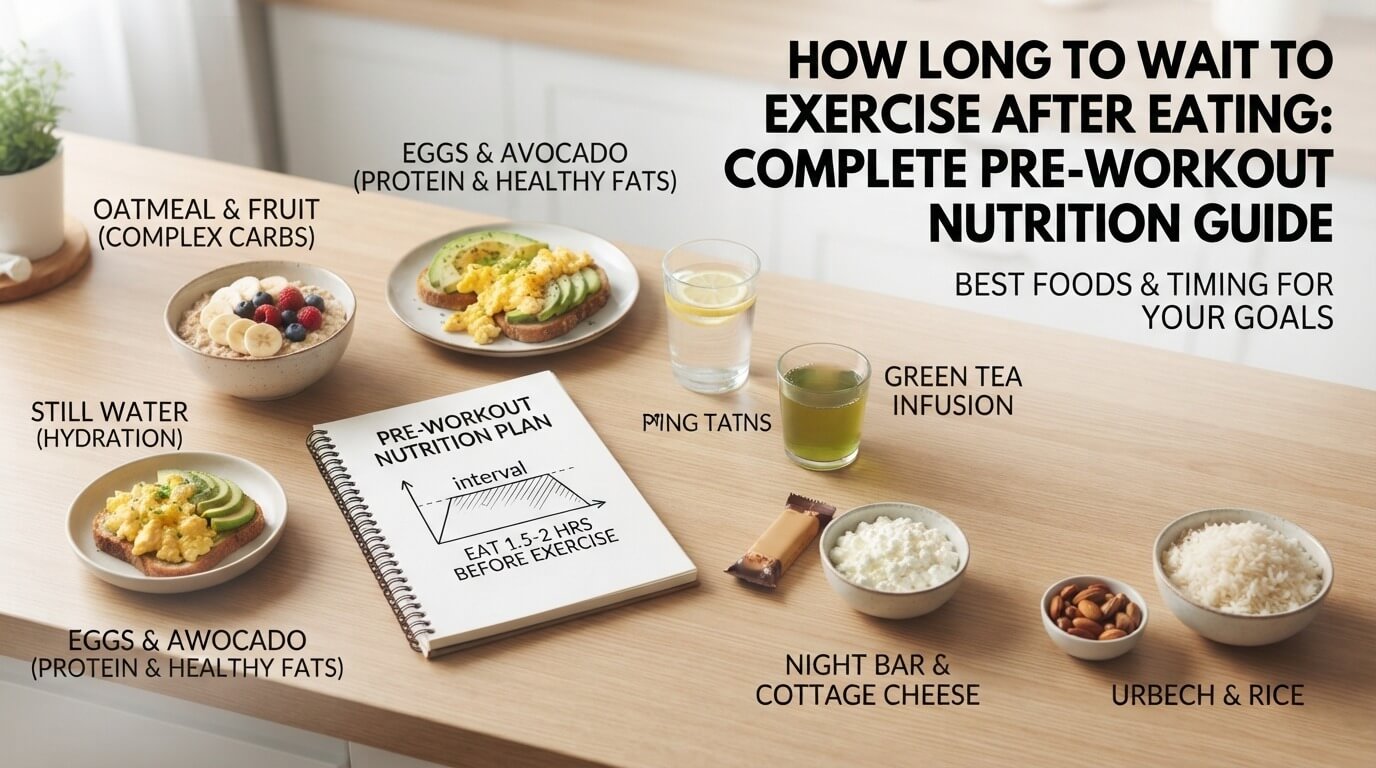
During a personal consultation, doctors explain how long after eating you can begin exercising. It’s best to eat within 1.5-2 hours before exercise. This helps avoid negative effects on the gastrointestinal tract, heart, and brain, and improves performance.
Sometimes you don’t have time for a full breakfast, lunch, or dinner before a workout. In this case, you can eat a nut bar or cottage cheese half an hour before your warm-up. As your workout intensity increases, you can include high-calorie, filling fruits (apples, oranges, bananas) in your diet, as your body metabolizes them quickly.
How Much Should You Drink Before Training?
Doctors recommend drinking up to 2 liters of pure water per day. Drink fluids only when needed, as the body detects dehydration by making you feel thirsty. Avoid even water unless absolutely necessary, as excess can negatively affect health.
Liquids that have a positive effect on the body before training:
-
Still mineral water. Helps restore the moisture balance in the body’s cells. Still water helps flush toxins from the body and prevents harmful substances from stagnating.
-
Fresh berry compote. Wild or bog fruits such as cranberries, lingonberries, blueberries, or bilberries are suitable for infusions. They provide the body with a wealth of beneficial microelements and vitamins.
-
Coconut milk. A successful substitute for cow’s or goat’s milk, it has fewer calories. Coconut milk is low in fat, making it considered a dietary milk.
-
Peppermint infusion. Helps relieve nervous disorders, anxiety, and stress. Peppermint tea helps fill the body with positive energy.
-
Basil tea. It has antioxidant properties and contains many beneficial substances. Basil contains vitamins A, B, and C, which reduce the risk of blood clots and kill many harmful bacteria.
-
Green tea. Brewed exclusively with natural ingredients. This herbal infusion alleviates chronic fatigue and depression and strengthens the immune system.
-
Tomato juice. Beneficial for the heart and blood vessels. Tomatoes stimulate the release of the happiness hormone and relieve stress. The juice normalizes the gastrointestinal tract and nervous system.
Scientists answer the question of what happens if you exercise after eating. Any physical activity causes increased sweating. To replenish lost fluids, doctors recommend adding an additional 1-1.5 liters of water to your daily intake. The amount of fluid you consume depends on the workout duration and your body mass index. A nutritionist or trainer will advise you on the exact amounts.
2-3 hours after drinking 500 ml of water, you can engage in full-scale physical activity. This extra time will help ensure the body’s tissues are properly hydrated. Avoid drinking liquids immediately after meals, as this can slow metabolism and cause gastrointestinal problems.
Drink fluids 15-20 minutes before meals. After a warm-up, about 250 ml of plain water is usually allowed. During intense physical activity, coaches typically prohibit fluids to avoid feeling heavy, sluggish, and sore.
Is It Okay to Eat Sweets Before Exercise?
Foods high in sugar briefly increase blood sugar levels. After the glucose is eliminated, weakness, lethargy, and increased fatigue typically occur. If a person vigorously exercises after eating sweets, they may experience dizziness or confusion.
In 2003, British scientists from Birmingham published research refuting the negative impact of low doses of glucose on athletes’ physical performance. It’s important to keep sweets within a certain limit before training. It’s important to consider whether it’s safe to exercise after eating, as well as the recommended glucose levels.
50-60 minutes before strength training, challenging exercises, or aerobic exercise, you can eat a couple of cubes of chocolate. A cocoa bar made from natural cocoa beans is also suitable. Eating a whole chocolate bar or an equivalent amount of candy often causes nausea and dry mouth during exercise.
After consuming too many sweets, people typically experience discomfort that can interfere with proper physical activity. If your workout lasts longer than an hour, high-sugar foods can cause sluggishness and exhaustion before the end. Unless your blood glucose is low, avoid sweets before physical activity.
What Foods Should You Avoid Before a Workout?
Training is most effective when you prepare in advance. To maximize results, you’ll need to adhere to certain restrictions. Certain foods and beverages are not recommended before any type of training:
-
fried, smoked;
-
pickled mushrooms or vegetables;
-
sweets, flour products;
-
fatty foods;
-
legumes, cabbage;
-
dairy products.
These foods can cause heaviness or bloating, which can reduce focus and workout performance. Fruit nectars and juices, lemonades, and other carbonated drinks can be harmful because of their high sugar content. They can also cause mild gastrointestinal disturbances (belching, bloating, and heaviness), which are not ideal during a workout.
Best Healthy Foods and Spices to Eat Before a Workout
To maintain physical fitness, it’s best to know in advance when and how to exercise after eating. Morning warm-ups, stretching, or simple exercises are beneficial only under certain conditions. Avoid unhealthy habits or eating before any type of exercise.
Before serious workouts, eat healthy foods. A fitness instructor or nutritionist can recommend foods based on your health. There’s a standard list of healthy foods to eat before various workouts:
-
Urbech (nut paste) – quickly digestible, has antioxidant properties, and easily replenishes energy reserves;
-
avocado – contains many B vitamins, as well as polyunsaturated fatty acids, which promote cell regeneration and protein production;
-
oatmeal, rice – normalize gastrointestinal metabolism and contain a large amount of vitamins, minerals, and other useful substances;
-
white meat – poultry breast fillet (turkey, chicken) contains several types of protein necessary for muscle tissue, not burdened with excess fat;
-
chicken and quail eggs – contain large amounts of selenium, iron, iodine, as well as vitamins A, E, D, B;
-
Bananas – contain a lot of potassium, which helps build muscle tissue and reduce the risk of cardiovascular disease;
-
Cottage cheese – contains a large amount of easily digestible calcium, which is necessary for maintaining bone tissue.
A healthy lifestyle requires eating foods in the right form. Cooking in a frying pan with a lot of vegetable oil isn’t beneficial for the body. Professional and novice athletes should stick to baked, stewed, or boiled foods.
Exercise after meals should not cause discomfort. Your exercise and meal plan should be balanced and comfortable. When planning your meal plan, consider its nutritional content.
When cooking, avoid overdoing it with salt, as it retains moisture. Avoid adding butter to porridge, as it adds calories and is less nutritious. Use natural spices approved by your doctor or trainer.
-
Khmeli-Suneli Holy Om. This spice is popular for its combination of spices, which imparts a pleasant aroma and flavor to dishes. It contains parsley, bay leaf, peppermint, dill, coriander, basil, turmeric, and fenugreek. These herbs have antioxidant properties and support gastrointestinal function. This seasoning makes a delicious addition to meat or vegetable dishes.
-
Garam Masala TRS. This seasoning goes well with any meat or vegetarian dish. Use it to make sauces or soup dressings. It contains cardamom, turmeric, cumin, pepper, and cinnamon. It may support the immune system, kidney function, gastrointestinal tract, and nervous system.
-
TRS Tandoori Seasoning. This spice contains ginger root, chili pepper, coriander, nutmeg, dried garlic, cardamom, cloves, and paprika. This blend lets you create a delicious meat marinade while preserving its juiciness. This seasoning has a warming and vasodilatory effect.
Before a full workout, it’s important to know how long to wait after eating. If your diet and exercise regimen are unbalanced, your performance will be minimal. Before a workout, eat only foods approved by your trainer or nutritionist. Maintain a consistent interval between meals and exercise; otherwise, your workouts will be ineffective.