Bananas: Nutrition, Health Benefits, Side Effects, and Storage Tips
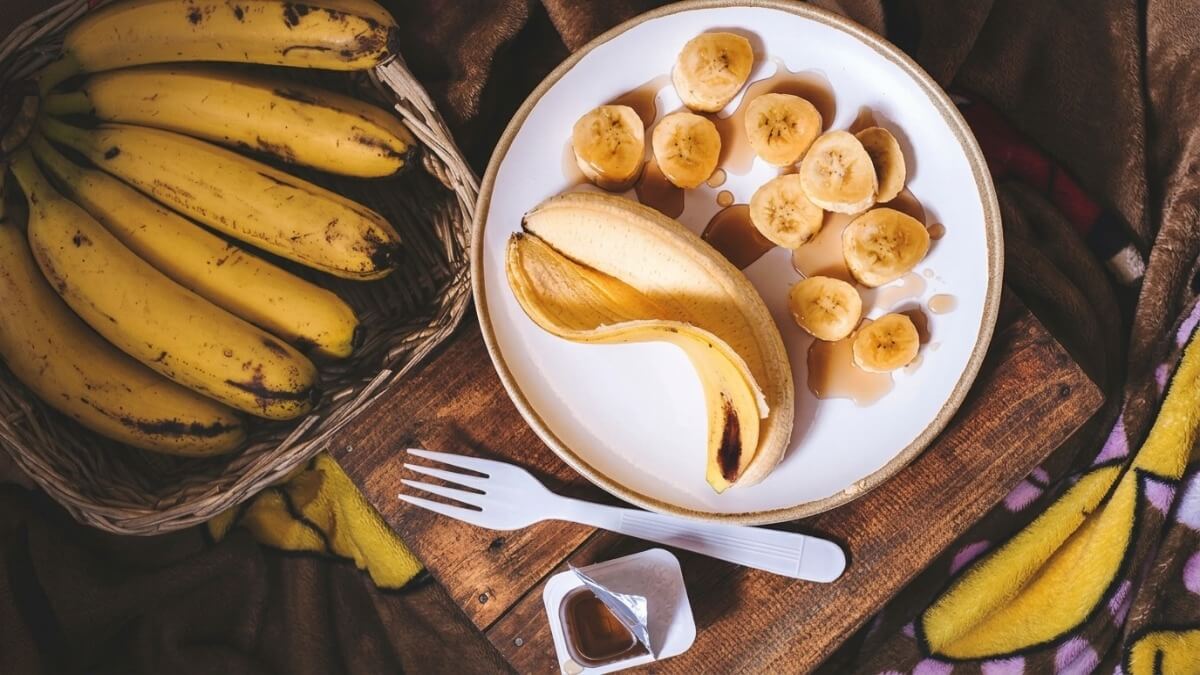
Bananas are rich in fiber, potassium, vitamins B6 and C, and antioxidants. We’ll explore with experts how these fruits affect health and who might be harmed by them.
Bananas are one of the most important food crops on the planet. They may help protect against stroke and hypertension, support weight management, and support the immune system.
What Is a Banana: A Fruit or a Berry?
Botanically, the banana is a berry because, like kiwi and cucumber, it grows from a single-ovary flower with multiple seeds. The plant has been cultivated since ancient times and is believed to have originated in the Malay Archipelago.
Bananas appear in written sources as early as the 17th century BC, when they reached India. These berries are mentioned in cultural works such as the Rig Veda, Mahabharata, and Ramayana. Evidence suggests that garments were woven from banana leaf fibers for members of the royal family.
The Greeks and Romans called the banana a “remarkable Indian fruit tree.” Theophrastus (4th century BC), author of History of Plants, and Pliny the Elder (77 AD), author of Natural History, mentioned it. According to Roman sources, Alexander the Great brought bananas to Europe. However, it took nearly 2,000 years for the plant to become a common part of the European diet.
After the invention of refrigeration in the second half of the 19th century, bananas began being shipped from southern countries to the northern United States, and then to Europe. By the early 20th century, the business had become so profitable that entire countries’ economies relied on banana exports. O. Henry coined the term “banana republics.”
How Many Calories Are in a Banana?
One ripe banana weighs about 150 g (with peel) and contains about 100–132 kcal, depending on the weight of the peeled pulp.
Caloric Content and Nutritional Value of Ripe Bananas (per 100 g)
-
Caloric content: 88–89 kcal
-
Proteins: 0.74–1.09 g
-
Fats: 0.29–0.33 g
-
Carbohydrates: 22.8–23 g
-
Dietary fiber: 2.6–4.6 g
Top 5 Health Benefits of Bananas
Bananas are considered a rich source of carbohydrates and contain B vitamins (B1, B2, B6), as well as the immune-boosting vitamin C and flavonoids (historically referred to as vitamin P). Because they are high in resistant starch and fiber, these berries have a low-to-medium glycemic index (GI). However, they can cause allergies, so consume them in small portions.
1. Supports the Digestive System
The main component of unripe bananas (up to 80% of dry weight) is resistant (“indigestible”) starch and pectin, which act as prebiotics, stimulating the growth of beneficial intestinal bacteria and promoting intestinal health.
However, during ripening, most of the starch converts into sugars (sucrose, fructose, and glucose). For this reason, slightly unripe bananas are more filling and better suited for those trying to watch their weight.
2. Helps Prevent Type 2 Diabetes
Regularly eating fiber-rich foods reduces the risk of developing type 2 diabetes. Experts from the American Diabetes Association recommend including bananas in your weekly diet.
On the GI scale, bananas range from 42 to 62, depending on ripeness. Because of their resistant starch and pectin, bananas help slow carbohydrate digestion and absorption. This can reduce blood sugar spikes. According to scientists, resistant starch can also improve the body’s insulin sensitivity.
3. Reduces the Risk of Cardiovascular Disease
Bananas are an excellent source of potassium, which supports heart health and helps manage blood pressure. Consuming 1.3–1.4 g of potassium daily reduces the risk of heart problems by 26%.
People who consume enough potassium are less likely to experience stroke and hypertension. In addition, bananas are rich in flavonoids, which benefit cardiovascular health.
4. Protects Against Cellular Aging
Bananas contain antioxidants (primarily catechins) that counteract oxidative stress, help cells regenerate, slow aging, and strengthen the immune system. Dopamine, found in bananas, has a similar antioxidant effect. Vitamin C, also found in bananas, is an antioxidant and supports skin health and immunity.
5. Strengthens the Nervous System
Bananas are rich in vitamin B6 (about 25–33% of the daily value), which helps regulate protein metabolism, iron metabolism, hemoglobin production, the synthesis of polyunsaturated fatty acids, and amino acid absorption. Furthermore, this vitamin affects central nervous system excitability. It is necessary for the normal functioning of the central and peripheral nervous systems.
Potential Side Effects and Harm of Bananas
Bananas are safe to eat as long as you don’t overindulge or eat them regularly in excess. Otherwise, overindulging in this fruit can lead to weight gain, nausea, diarrhea, constipation, bloating, and flatulence. Avoid or limit bananas if you have certain intestinal disorders or acute gastrointestinal diseases. This product is also a potential allergen.
Nutritionist’s Advice on Eating Bananas
Bananas can be part of a healthy, balanced diet, including for those trying to lose weight, says Dietitian Farzana Ahmed. The expert advises against eliminating them simply because they’re sweet or relatively high in calories compared to other fruits. However, as with any other food, it’s important to keep portions in check and balance them with other foods.
What to Make with Bananas: Quick Smoothie Recipe
Bananas are eaten raw, dried, canned, and used to make flour, syrups, and even wine. These berries are the perfect ingredient for desserts. We suggest trying a quick smoothie recipe using bananas and frozen blackberries.
For one serving, combine a banana, 50 g frozen blackberries (or other tart berries), 50 g cottage cheese, 1–2 tablespoons rolled oats, and 50 ml milk (cow’s or plant-based). Remove the blackberries from the freezer 30 minutes before preparing, blend all ingredients until smooth, then add the rolled oats. Your delicious breakfast is ready.
How to Store Bananas Properly
Choose bananas with smooth skin, free of black spots and external damage. If the fruit is slightly green, leave it at room temperature in a cool, dark place for a few days to ripen. At room temperature, the berries retain their nutritional value for 2–3 days. Avoid refrigerating unripe bananas or leaving them in direct sunlight.
Expert Commentary
“Bananas are an excellent source of magnesium, potassium, and manganese, which are important for heart health. The abundance of various dietary fibers is key to a healthy gut. Incidentally, green, unripe bananas are better for your gastrointestinal health than ripe ones, so don’t wait until they turn yellow.
On the other hand, ripe bananas are a good source of carbohydrates. The sugars and dietary fiber in ripe bananas provide quick, lasting satiety. However, those prone to bloating should avoid overly ripe bananas. Those prone to migraines should also exercise caution.
Bananas are fine with dinner or as a substitute for your last meal, but avoid them right before bed if you have reflux or are sensitive to heavy carbs. Incidentally, these fruits retain many of their beneficial properties after cooking.”
Key Takeaways: The Main Benefits of Bananas
-
Botanically, bananas are berries. They have tender, sweet flesh and a thick, yellow skin.
-
The fruit is considered medium-calorie compared to others: 100 g of bananas contains about 88–90 kcal on average.
-
The main compounds in bananas that benefit humans are potassium, magnesium, dietary fiber, and vitamins B6, C, and A.
-
For those watching their weight, it’s best to choose less ripe fruits. They contain more resistant starch, which acts as a gut prebiotic.
-
As the banana ripens, it becomes sweeter, and some starch converts into sucrose, fructose, and glucose.
-
The optimal daily serving is one medium banana or 100–150 g of peeled pulp.
-
Bananas can be combined with a variety of foods; they are easy to prepare and a great option for a quick snack.