Bay Leaf: Complete Guide to Health Benefits, Nutritional Value, Culinary & Folk Uses, Storage, and Contraindications
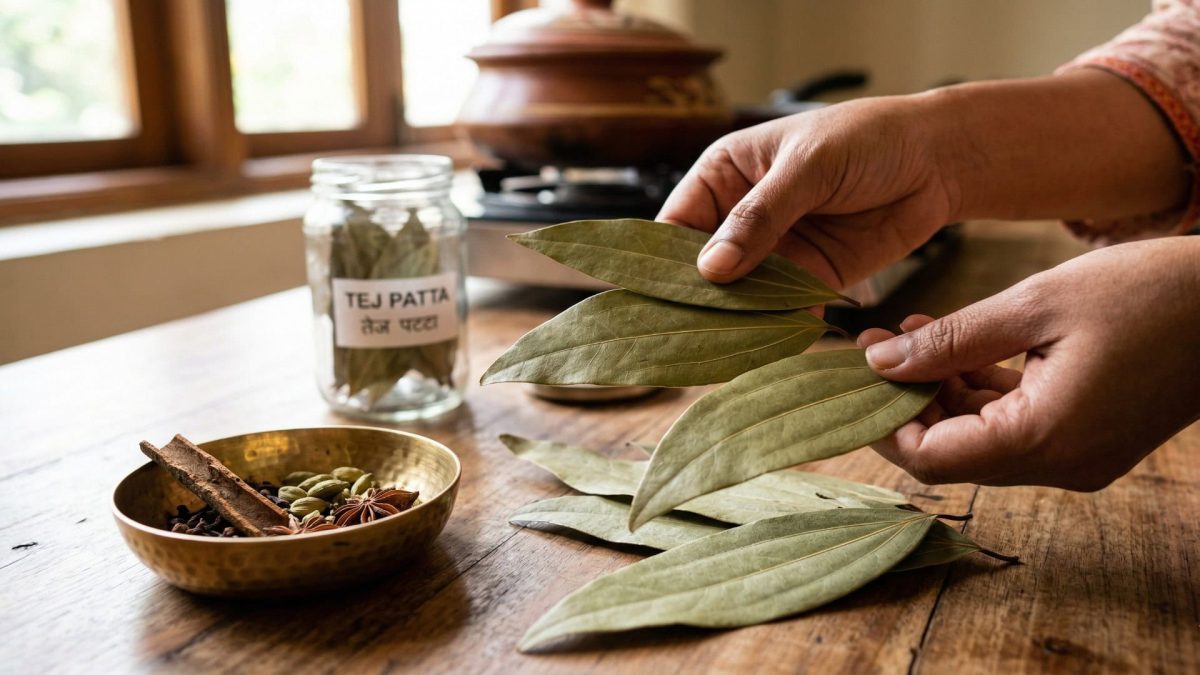
Bay leaf is one of the most popular spices. This highly aromatic herb provides beneficial micro- and macroelements, as well as vitamins. Bay leaves not only add flavor to dishes but are also used in folk medicine and cosmetology. However, in high amounts or under certain conditions, they can harm human health, so they have contraindications.
Description and Types of Bay Laurel
Bay laurel (Laurus nobilis) is an evergreen tree native to the Mediterranean, the Transcaucasus, and Asia Minor. It can reach up to 15 meters in height. Bay laurel leaves are a popular culinary herb with a warm, spicy aroma. The leaves are elongated, dark green, and leathery, with a short petiole. Bay laurel produces small pale-yellow flowers that form umbels. The branches bear oblong, dark blue-black, ovoid fruits with a large pit inside.
Cineole (eucalyptol) is its primary active essential oil compound, alongside smaller amounts of camphor and eugenol. Camphor and cineole are valuable medicinal substances used topically to help soothe arthrosis, arthritis, and rheumatism, and are frequently included in warming ointments and rubs. When used properly as a culinary spice, bay leaves pose far more benefits than risks.
Chemical Composition
The plant is rich in vitamins A, C, and B-complex (B1, B2, B6, and B9) and contains several types of organic acids (such as acetic, caproic, and valeric acids). It also contains essential micro- and macronutrients, tannins, and phytoncides, and all parts of the plant are rich in essential oils. The fruits also contain sugars, mucilage, starch, and a fatty oil consisting largely of palmitic and lauric acids.
Calorie Content and Nutritional Value
Bay leaves contain the highest amount of carbohydrates (75 g per 100 g of dried raw material, including ~26 g of dietary fiber), followed by fats (8.4 g) and proteins (7.6 g). The caloric value is 313 kcal per 100 g of dried leaves. Among minerals, the plant contains high levels of iron and manganese, along with notable amounts of calcium, magnesium, copper, and zinc.
Bay leaf supports the body by participating in enzymatic reactions, amino acid transformation, and lipid metabolism. Its B vitamins and iron help support red blood cell formation and maintain healthy homocysteine levels in the blood. It supports iron intake, stimulates appetite, and complements weight-management diets by aiding digestion and fat metabolism.
Traditional, Culinary, and Household Applications
In ancient times, people considered the plant’s leaves sacred and used them to make wreaths that adorned the heads of emperors, athletes, and heroes. Folk beliefs also persist that keeping a bay leaf in one’s wallet attracts prosperity and wards off negative energy. When burned or placed in cupboards, the aromatic smoke and essential oils help repel moths, ants, and cockroaches.
Even in ancient times, bay leaf was used for medicinal purposes. Traditionally, it was used to relieve muscle cramps, ease discomfort, and support urinary tract health. It was also used in steams and teas for coughs, nervous tension, and to alleviate fever symptoms.
Bay laurel essential oil is a natural antiseptic that helps inhibit microbial growth. Diluted in carrier oils, it can be added to ointments and creams for joint comfort, or used in decoctions, poultices, and compresses. Topically, it helps soothe rheumatic discomfort, muscle spasms, and neuralgia.
Bay leaves are most widely used in cooking. They season soups, stews, main courses, preserves, and marinades. Bay leaves stimulate appetite and support healthy digestive function. They are also used to infuse distinctive drinks, such as herbal tea and fruit compote.
Use of Bay Leaf in Folk Medicine
| Scope of Application | Traditional Recipes and Methods of Use |
| Throat and mouth wellness (Note: Folk remedies cannot cure throat cancer; always seek professional oncology care) | In traditional herbalism, a diluted laurel tincture is made by pouring 0.5 liters of vodka over a glass of crushed leaves, letting it infuse in a dark place for two weeks, and straining. Note: Concentrated alcohol tinctures can irritate the mucosa and should only be used after consulting a physician. |
| For the comfort of joints | Various topical and internal folk methods exist. You can use a diluted bay laurel ointment or essential oil (mixed with a carrier oil) and rub it into the affected areas up to three times a day. In folk practice, a decoction is also made by pouring 5 grams of bay leaves into 0.3 liters of water, bringing it to a boil, simmering for 5 minutes, steeping in a thermos for 6 hours, and straining through cheesecloth. This decoction is sipped slowly throughout the day in very small sips—drinking it all at once is dangerous, as high doses are toxic and can trigger uterine bleeding. A typical folk course lasts no more than three days, followed by a break. |
| For blood sugar support | Using fresh or dried leaves, pour three cups of boiling water into a glass jar, add 10 bay leaves, close the jar, and let it steep for four hours. In folk practice, take 100 ml of the strained infusion three times a day, half an hour before meals (consult a doctor first if taking diabetes medications). |
| Infusion for skin irritation | To soothe minor rashes, eczema, and skin irritation, take 50 grams of leaves, pour a glass of water over them, boil for 5–7 minutes, and let steep for another 4 hours. Strain and dab the cooled solution onto irritated areas, or apply as a clean compress. |
| Support for the throat and nasopharynx | Steam inhalation helps ease congestion during colds, bronchitis, and upper respiratory infections. Brew hot water with bay leaves in a bowl, lean over safely, and inhale the aromatic vapors. |
| For cramps and headaches | For topical relief, use diluted bay leaf essential oil by gently massaging a drop (mixed with carrier oil) onto your temples or applying warm compresses to tense muscles. |
Cosmetic and Hair Care Uses
You can also find commercial herbal toothpastes containing laurel extract for an antibacterial effect. A warm bath infused with bay leaf can soothe skin irritation and refresh the skin. To make one, pour 100 g of bay leaves into 1 liter of water, boil for six minutes, let steep for 15 minutes, strain, and pour the prepared infusion into your bathwater.
Bay leaf is used in home cosmetology to help calm minor inflammation, irritation, acne, and blemishes. An infusion or decoction made from the plant helps reduce excess oiliness and refresh dull skin. To make this, pour 25 grams of leaves into 100 ml of water, boil for five minutes, and steep for six hours. Strain and apply the cooled mixture to affected areas of skin 1–2 times a day.
You can also use the same strained liquid as an astringent toner for oily skin by adding 1 teaspoon of vodka (or witch hazel) as a preservative. Wiping your face with it gently once a day can help leave oily skin looking more matte, smooth, and shine-free within a few days.
A bay leaf rinse helps soothe scalp flaking (dandruff) and strengthens hair, leaving it soft and shiny. Prepare a special infusion by pouring a liter of boiling water over a standard 10–15 g store-bought packet of bay leaves. Let the liquid steep for 2–3 hours, strain it thoroughly, and use it as a final hair rinse after shampooing.
Useful Properties of Bay Leaf
Several parts of the tree possess beneficial properties. In traditional herbalism, the bark, leaves, and seeds of the bay laurel have been studied for supporting gallbladder and urinary tract health. The leaves help soothe joint discomfort, ease mild respiratory congestion, and relieve nervous tension. Essential oil is extracted primarily from the leaves and fruits and used in aromatherapy and cosmetology. Over time, many traditional uses of the bay leaf have become well known:
-
increases appetite;
-
improves the functioning of the gastrointestinal tract;
-
helps reduce mild fluid retention and supports healthy circulation;
-
exhibits antimicrobial properties against fungi and pathogenic bacteria;
-
helps soothe discomfort associated with rheumatism, arthrosis, and arthritis;
-
supports immune function;
-
has been studied in vitro for antimicrobial activity against respiratory pathogens;
-
provides a mild astringent and diuretic effect;
-
can be used as a cooled mouth rinse for minor gum irritation to help soothe mucous membranes and support gum healing;
-
acts as a mild diaphoretic (promotes perspiration during colds);
-
diluted essential oil is used topically for minor sprains, hematomas, and bruises;
-
supports the healing of minor skin irritations;
-
reduces localized inflammation and rashes;
-
supports circulation and vitality;
-
helps ease mild discomfort associated with painful periods.
Bay leaf essential oil and decoctions are included in soothing ointments and antiseptic soaps. While laboratory studies have examined bay leaf extracts for antioxidant and anti-proliferative properties, it is not a standalone cancer treatment. Bay leaf may complement dietary management for blood sugar balance, as the plant contains polyphenols that help support healthy blood glucose levels. Mild, diluted bay leaf infusions have also traditionally been added to bathwater to soothe minor skin irritation.
Harm and Contraindications
Bay leaf has important contraindications when used in concentrated infusions, decoctions, or essential oil form. It is strictly contraindicated during pregnancy, as concentrated doses can stimulate uterine contractions and trigger miscarriage or premature birth. Concentrated medicinal preparations are also not recommended during breastfeeding. Other contraindications include:
-
chronic constipation (due to its astringent tannins);
-
allergy to bay leaf or individual intolerance;
-
severe cardiovascular pathologies;
-
active gastric ulcer or duodenal ulcer;
-
severe liver and kidney pathologies;
-
severe or poorly controlled diabetes mellitus (when taking blood-sugar-lowering drugs);
-
bleeding disorders or poor blood clotting.
Consuming concentrated infusions or decoctions of bay leaf can stimulate smooth muscle contractions, so it is contraindicated if you suspect pregnancy (such as during a missed period)—as high doses can trigger spontaneous abortion. It can also be toxic if consumed in large quantities, potentially causing severe gastrointestinal distress or poisoning.
How to Store Bay Leaves
A high-quality dried bay leaf has a rich olive-green color with a subtle grayish tint and a smooth, intact surface, free of dark blemishes and insect holes. Good leaves have a strong, sweet-balsamic aroma, and they retain their beneficial essential oils well when properly dried. Bay leaves are commonly sold pre-packaged in bags at the grocery store, and their ideal shelf life should not exceed 12 months.
If the dried leaves crumble instantly into dust or have little scent, they are old, and their aroma has diminished. Choose seasonings in sealed foil or glass packaging—foil blocks light and moisture far better than paper, which lets essential oils evaporate and absorbs surrounding pantry odors. Always ensure the package is undamaged.
After purchasing, store bay leaves in a tightly sealed ceramic container or glass jar in a cool, dark place. This prevents air, light, and moisture from degrading the leaves and helps preserve their aroma longer. If you buy fresh sprigs of bay leaves, rinse and pat them dry, or gently dehydrate them in an oven at 40–60 degrees Celsius (105–140 degrees Fahrenheit). Alternatively, place fresh leaves in an airtight freezer bag or container and freeze them—this keeps them fresh for 1 to 2 years without losing their quality or flavor.
Where and How to Add Bay Leaf
You can use bay leaves fresh, whole and dried, crushed, or ground into powder. Add whole bay leaves to soups and broths 5 to 10 minutes before the end of cooking—simmering them too long can release bitterness, whereas brief simmering lets the full aroma emerge. Bay leaves are also a key ingredient in many classic spice blends, such as khmeli-suneli, herbes de Provence, bouquet garni, and curry powder.
Is it safe to eat whole bay leaves? No—because the leaves remain stiff and leathery even after cooking, swallowing a whole leaf or sharp piece can pose a choking hazard or irritate and scratch the digestive tract. Additionally, eating large quantities of leaves can irritate the stomach lining and liver. Therefore, always remove whole leaves before serving. For slow-cooked braises and main dishes, add bay leaves near the beginning of cooking.
Due to the aromatic essential oils they contain, the leaves are also used to flavor herbal liqueurs and certain culinary confections. They add subtle depth to milk puddings, custards, savory sauces, and dressings. They impart a classic aroma to aspic (jellied meat) and are indispensable for pickling, canning, smoking, and marinating.
Bay leaves pair well with almost any savory dish—meat, fish, stews, beans, and braised potatoes or vegetables. Just 1–2 leaves are enough to flavor a standard pot. If the leaves are fresh, gently crease or rub them together before adding them to the dish to release more essential oil. When boiling dumplings or pelmeni, add 1–2 bay leaves as soon as the water boils.
Simple Culinary and Herbal Recipes
Mild Bay Leaf Digestive Infusion
In traditional home remedies, a mild bay leaf infusion is sometimes used to support gastrointestinal comfort. To prepare a light culinary infusion, simmer 3–5 bay leaves (avoid excessive amounts like 15 leaves, which can be overly harsh and toxic) in 0.3 liters of water for 5 minutes, let steep briefly, and strain thoroughly through a fine sieve or cheesecloth.
Apple-Laurel Compote
Among the more unusual culinary uses is a fragrant recipe for apple-laurel compote. For this, you will need:
-
3 liters of water;
-
100 g sugar (or honey to taste);
-
500 g fresh apples;
-
2 bay leaves.
Bring the water to a boil, add the sugar and cored apple slices, and cook for 5–7 minutes. Remove from heat and stir in the bay leaves. Cover the pot with a lid and wrap it in a clean kitchen towel to retain heat, letting the drink steep for 40 minutes.
Remove and discard the bay leaves before serving; you can leave the tender apples in the drink (optional). This compote is not only refreshing and aromatic, but also offers a subtle spiced warmth compared to the classic version.
Bay leaf has undeniable culinary value when used in moderation as a spice. It imparts a distinctive savory flavor and vibrant aroma, while its traditional uses extend into folk wellness and home cosmetology. However, because concentrated forms carry real risks, avoid medicinal doses if you have any contraindications, and always consult a doctor before using herbal remedies.