Fenugreek Health Benefits: Culinary Uses, Wellness Properties, Recipes, and Contraindications
The spicy herb fenugreek has long been known in Ayurveda, an Ayurvedic medicine. In ancient times, it was used not only for cooking but also for medicinal purposes. Gradually, the plant gained even greater popularity. The herb has other “names” and is also widely used in cosmetology.
What Is Fenugreek?
Fenugreek: What is this plant? It’s an annual shrub from the legume family. It grows up to 70 cm tall. It has a branched stem, elongated leaves, and yellow flowers. Fenugreek fruits are pods containing golden-brown seeds (5-10 at a time). They have a strong maple aroma and are bitter; after cooking, the flavor becomes milder and takes on a nutty note.
Other names for fenugreek include “fenugreek,” “helba,” “mushroom herb,” ”chaman,” and “shambhala.” It has two varieties—blue and hay. The only difference between them is the flower color. Hay flowers are yellow, while blue flowers are sky-blue. However, these two varieties have no difference in medicinal properties.
Where Does Fenugreek Grow?
Fenugreek is undemanding in terms of growing conditions, but prefers loamy or clayey soils. It is primarily found in the wild, but the plant can also be grown in garden plots. Fenugreek grows in the Caucasus, in:
- India;
- Armenia;
- Morocco;
- Ethiopia;
- France;
- Iran;
- Argentina;
- Iraq;
- Turkey;
- Egypt;
- USA.
Wikipedia lists the herb as fenugreek. Blue fenugreek is more common on the Mediterranean coast. Its greens and seeds are used in cooking as a spice. This is a rare species; the more common and popular fenugreek is also used in cooking, cosmetology, and folk medicine.
Nutritional Value and Beneficial Properties of Fenugreek
100 grams of fenugreek contains 58 grams of carbohydrates, 23 grams of protein, 6 grams of fat, and 36 calories, while 1 tablespoon of seeds contains only 12 kcal. The plant has an excellent vitamin content: C, A, PP, E, and B (I, II, and N). It contains many beneficial elements, but especially potassium, phosphorus, magnesium, and calcium. It also contains small amounts of sodium, iron, and zinc. The herb also contains:
- folic acid;
- alkaloids;
- enzymes;
- fatty, essential oils;
- lignin;
- antioxidants;
- routines;
- cellulose.
Fenugreek is rich in galactomannan, a dietary fiber that reduces appetite and glucose levels. This promotes weight loss and stabilizes blood sugar in diabetics. It slows carbohydrate absorption, helping maintain normal blood glucose levels. Other beneficial properties of fenugreek include:
- improving brain function;
- reduces the concentration of “bad” cholesterol;
- maintains vascular elasticity;
- prevents atherosclerosis;
- promotes weight loss;
- improves the condition of skin, nails and hair;
- helps in the treatment of pathologies of the female and male reproductive system;
- reduces the risk of vascular diseases;
- reduces pain and spasms;
- eliminates gum inflammation;
- strengthens the immune system;
- the spice has a mild laxative effect;
- reduces the severity of the inflammatory process;
- accelerates tissue healing;
- prevents the formation of tumors and neoplasms;
- has antiviral and antibacterial effects;
- destroys fungal microorganisms;
- normalizes heartbeat;
- quickly restores strength after heavy physical exertion and intense training;
- helps treat colds, flu, and sore throat.
There are many traditional medicine recipes. They use fresh and dried herbs, infusions, decoctions, whole and crushed leaves, and seeds. For indigestion, fenugreek seeds are sprouted until the shoots are 1.5 cm tall. They are eaten to restore digestion and can be added to salads.
Use of Fenugreek for Treatment
| Recipes | Preparation, application |
| Infusion for the treatment of internal organ pathologies | Take 1 tablespoon of fenugreek seeds and pour a glass of boiling water over them. Strain after 15 minutes. Drink the infusion straight away or dilute it with water or milk. Drink it throughout the day in small portions. |
| Cholesterol lowering agent | Add 10 grams of ground fenugreek seeds to buttermilk or warm water, stir, and drink immediately or throughout the day. The full course of treatment is one month. |
| To stabilize, improve digestion, and strengthen the intestines | Roast the seeds, add them to milk, and boil for 5 minutes. Add a little sugar for flavor. Drink the infusion instead of tea or coffee. |
| A remedy for the treatment of hemorrhoids and constipation | First, prepare a standard decoction of 10 grams of mushroom fruits. Then add 1 tablespoon of ghee, stir, and drink while still warm. This decoction also helps protect the stomach and intestinal walls by coating them with a protective film. |
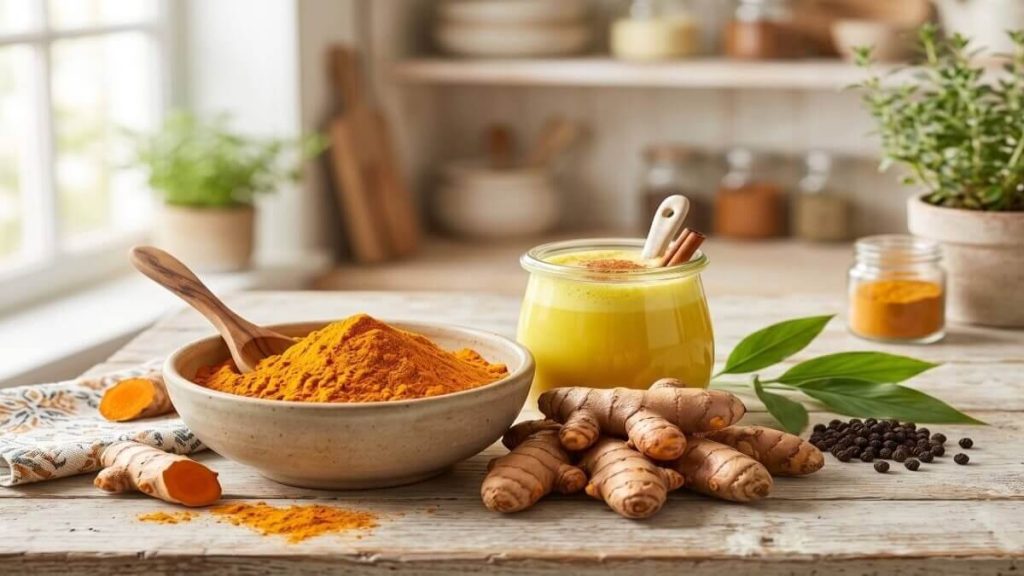
| Use of the plant for type II diabetes | Take equal amounts of turmeric and seeds and grind them together into a powder. Eat 5 grams daily in the morning on an empty stomach with water. |
| A remedy for increasing breast milk production | Soak 7 seeds of the herb in water overnight. In the morning, pour a glass of milk over them and add a little sugar for flavor. This drink will significantly improve lactation. |
| For gastritis and increased stomach acidity | Soak 5 fenugreek seeds in the evening. In the morning, mash them to form a smooth paste. Stir this into ½ cup of water and drink 30 minutes before breakfast. The plant contains mucilage, which coats the walls of the gastrointestinal tract and soothes inflammation. |
| Egyptian tea for weight loss | Add 2 teaspoons of the herb to a glass of water. Bring to a boil, simmer for 2-3 minutes, remove from heat, and let steep for 5 minutes. Drink the tea warm; add cinnamon, sugar, or ginger for flavor. You can drink up to two glasses of this Egyptian tea daily. |
| Decoction | Take 2 teaspoons of seeds, add a glass of water, and simmer over low heat for 15 minutes. This decoction helps with many ailments. For PMS, add a slice of lemon and drink a third of a glass three times a day.
If you’re preparing a fenugreek decoction to treat a cold, add 1 teaspoon of honey. Drink 50 ml four times a day, warming it slightly before each use. This decoction helps with breathing and promotes mucus removal. |
| Infusion | How to prepare and use fenugreek to reduce menopausal symptoms and improve erections. Take 1 tablespoon of dried, crushed fenugreek leaves, add 250 ml of boiling water to the mixture in a thermos, and let it steep for 2 hours. Then take a quarter cup, 4 times daily, 30 minutes before meals. The treatment course is 2 weeks. |
| Milk with shambhala | It’s used to restore gastrointestinal function after a course of antibiotics and as a detoxifier. To do this, add a quarter of freshly crushed fenugreek seeds and 2 teaspoons of any jam or honey to a glass of warm milk.
Drink immediately, while it’s still warm. Or pour into a thermos and take a few sips throughout the day. The course of treatment is one week, with a six-month interval. |
| Ayurvedic remedies | Grind dried fenugreek seeds. Then, pour 250 ml of boiling water over 1 tablespoon and steep for 7-8 minutes. Drink the mixture throughout the day in small sips. To boost your immune system, drink the decoction once a week.
You can add a slice of fresh ginger or ½ teaspoon of dried, crushed ginger root, a lemon wedge, and 1 teaspoon of honey. Stir and drink half an hour after meals. This drink improves digestion, normalizes blood pressure, and helps treat viral infections and colds. |
Fenugreek is also used in cosmetology. Infusions and decoctions help combat dandruff and treat the scalp. Examples of recipes for using fenugreek in cosmetology:
- To combat hair loss, prepare fenugreek oil. Take 35 grams of fenugreek fruit and grind it into a powder. Pour it into a container and add 150 ml of coconut or sesame oil. Stir and leave in the sun for six days. Then strain and pour into a glass bottle. You can add the oil to ready-made cosmetic formulations, massage it into the scalp, or add it to balms and leave-in conditioners.
- Paste-conditioner. Soak 10 grams of mushroom seeds in water overnight. Then grind the seeds to a paste-like consistency. Apply it to your scalp and hair as a mask. Cover with a plastic bag and secure with a scarf. Leave it on for half an hour, then rinse with water. This product acts as a natural conditioner, strengthening your hair and providing a therapeutic effect on your scalp.
- To strengthen hair, take 4 tablespoons of dried, crushed leaves and pour a glass of boiling water over them. Let the liquid cool, then saturate your hair and scalp with it, massaging gently.
- To treat dandruff, mix olive oil and fenugreek into a creamy paste. Then, distribute it evenly over the scalp and hair roots. Cover your hair with a plastic bag and then a warm cloth. Leave it on for half an hour, then rinse with shampoo.
- To firm and enlarge your bust, mix fenugreek seed powder with clover juice until it reaches the consistency of sour cream. Rub it into clean breast skin. Leave it on for 15 minutes, then rinse with warm water. Another option is to drink fenugreek tea in the morning and evening.
Fenugreek: Benefits for Women and Men
Fenugreek benefits men and women equally. The plant promotes weight loss, helps prevent gastrointestinal disorders, strengthens the immune and nervous systems, and helps treat reproductive issues. However, some properties are particularly beneficial for both sexes.
For women
Fenugreek contains a high concentration of phytoestrogens, which have a beneficial effect on women’s health, especially during pregnancy, postpartum, and menopause. The plant helps stabilize hormonal balance and metabolism and can alleviate menopausal symptoms.
Fenugreek is beneficial after childbirth—the plant increases milk production and improves its nutritional value. The herb can be prescribed as a herbal remedy or for douching for certain gynecological conditions and to restore hormonal balance. Fenugreek is used preventatively in mammology and endocrinology.
Infusions, decoctions, and chopped herbs with flowers are used to prepare homemade skin and hair care products. They maintain skin elasticity, strengthen nails, and quickly combat acne, pimples, and inflammation. Fenugreek strengthens hair and activates hair follicles, promoting rapid growth.
For men
The plant benefits young men and men. It helps maintain and restore potency, enhances erections, and increases blood flow to the pelvic area. It prevents the development of prostate adenoma and prostatitis. For existing conditions, it enhances medication effectiveness. Regular use of this medicinal herb increases vitality, improves mood, and enhances strength and energy.
Contraindications and Side Effects
Fenugreek also has contraindications for consumption or use as a medicine. Absolute contraindications include allergies or individual intolerances to the herb. Do not use it in children under 10 years of age or during the first trimester of pregnancy. Other contraindications include:
- blood clotting disorder;
- high levels of estrogen and prolactin;
- asthma;
- internal bleeding;
- exacerbation of gastrointestinal diseases;
- endocrine disorders.
If you have any chronic conditions, consult a doctor before consuming or using fenugreek. The plant contains bioactive components that may negatively impact your health or may not be compatible with medications.
How to Eat and Cook with Fenugreek
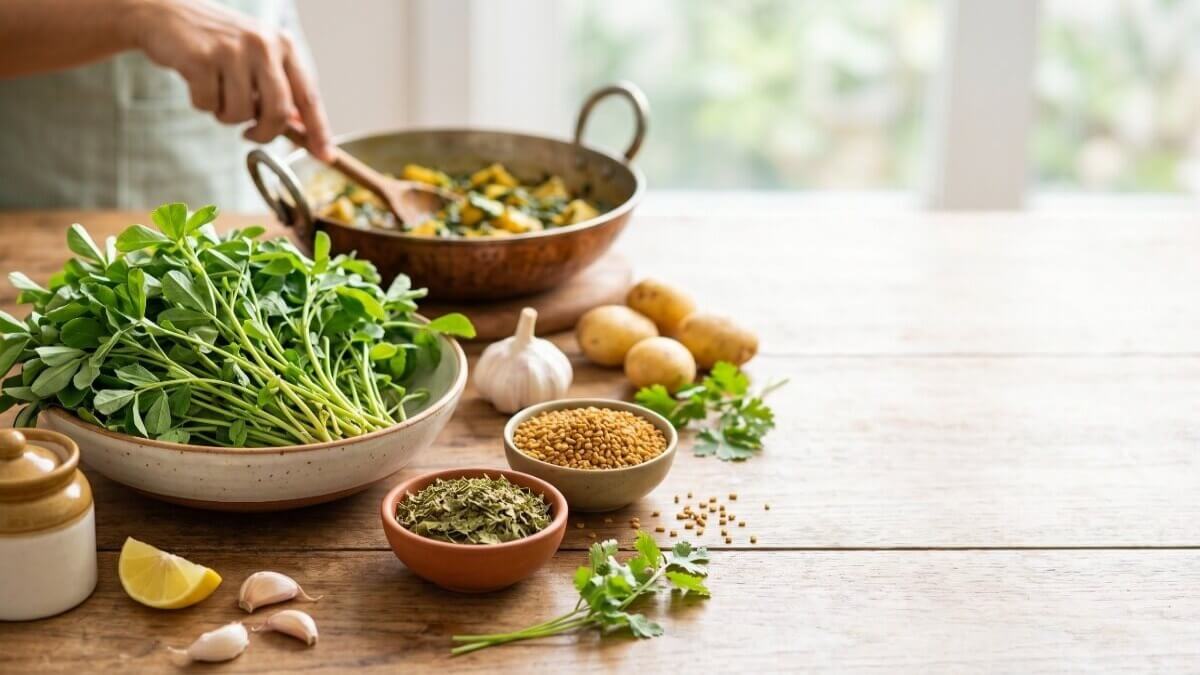
Fresh fenugreek has a pleasant maple-syrup or freshly cut-grass aroma and a unique flavor. These qualities have made it popular in cooking. Fenugreek can be added to salads, soups, marinades, broths, porridges, appetizers, baked goods, and baked goods. It pairs perfectly with seafood, fruits, fish, meat, and vegetables.
Ground fenugreek is used as a seasoning, added to any dish or drink, and used to make cheese and curd desserts. Any part of the plant, including leaves and seeds, can be used to enhance the flavor. To keep fenugreek on hand, store it dried to preserve its beneficial properties. You can roast, crush, or grind the seeds beforehand.
It’s no wonder the plant is called “mushroom herb.” Adding it to dishes imparts a subtle mushroom aroma and flavor. However, fenugreek is a bitter spice, so be careful not to overdo it, or you’ll ruin the dish.
It pairs well with other spice blends. To reduce the bitterness, you can roast the seeds, which imparts a nutty flavor. Helba’s aroma is similar to maple syrup, making it a very aromatic ingredient in baked goods.
Pickled Lemon with Fenugreek Recipe
As an example, here is an original recipe for pickled lemon:
- Take 10 berries, rub them with turmeric and salt, and place them in a liter jar. Close the lid and place in the sun. Leave the jar for a week, shaking it daily.
- Fry mustard, fenugreek, and cumin seeds (½ teaspoon each) in a frying pan for two minutes.
- Then add chopped garlic (8 cloves), ginger (1 piece), and chili pepper (12 pcs.). Fry the mixture for another 5 minutes.
- Add to it ½ cup of sugar and vinegar, 1 tbsp. of ground red pepper.
Pour the resulting mixture over the lemons in the jar. Close the lid, shake, and refrigerate for a week. The snack is ready and can be stored for a year.
Fenugreek is a medicinal shrub that can prevent certain illnesses, speed recovery, improve skin condition, and add a special flavor to dishes and drinks.