Fennel Health Benefits: Culinary Uses, Herbal Infusions, Skincare, and Contraindications
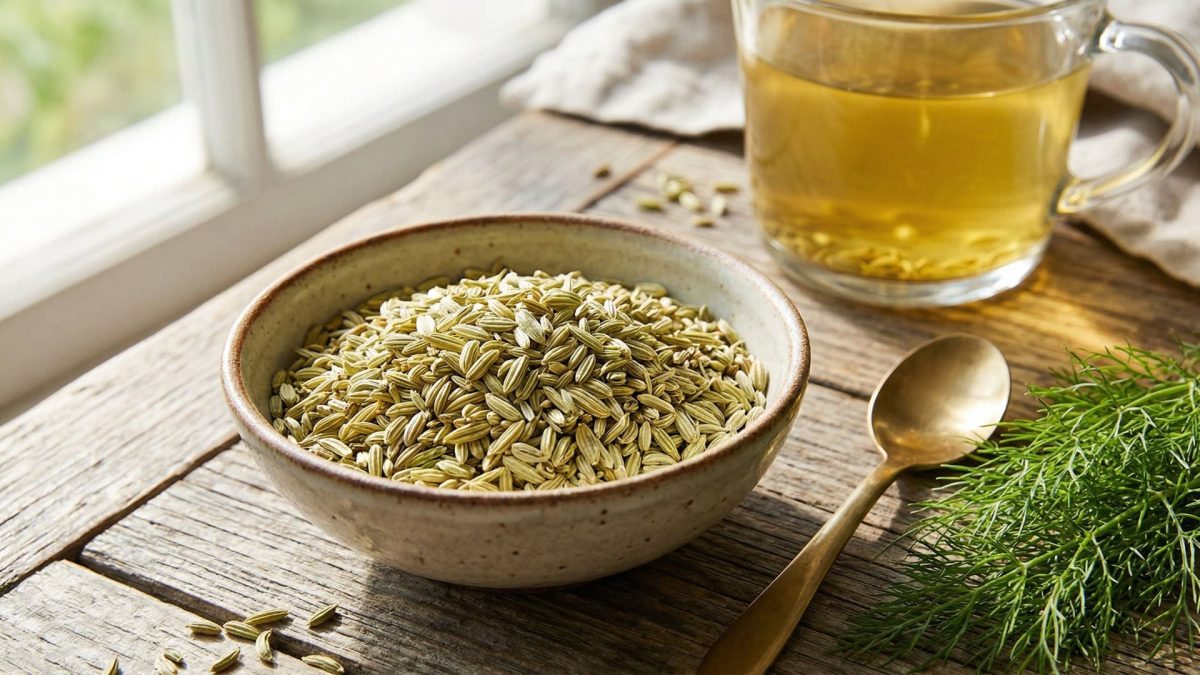
Common fennel is a perennial plant used in cooking, agriculture, veterinary medicine, perfumery, and folk recipes. It is related to dill, but differs significantly in several characteristics. Its aroma features notes of anise, caramel, and mint. When it flowers, the plant emits a honey-like scent. It spreads quickly throughout a garden and can be grown indoors.
Fennel: Botanical Description and Features
Fennel: What kind of plant is it? The photo shows that it resembles dill in appearance and grows up to 1-2 meters. However, its aroma and taste are more reminiscent of anise. What is fennel and what does it look like? It is divided into two groups: vegetable fennel and common fennel. It has a wrinkled, fleshy, spindle-shaped tuber. The stem is straight, with a blue tint and numerous branches. The leaves are small to medium, pinnate, with oval lobes.
The flowers are small, yellow, and arranged in umbels at the top of the stem. Fennel fruits are oval, brown, and bicarpous, with a sweet taste. The plant begins blooming in July and finishes around September. Its flowers emit a honey-like aroma. Fennel can be grown in the garden and indoors. It is highly valued in cooking and medicine.
Nutritional Value and Beneficial Properties of Fennel
In the culinary world, the plant is known as fennel spice. It contains high levels of vitamins, minerals, and beneficial compounds, including flavonoids, essential oils, and glycosides. It also contains linoleic, petroselinic, and oleic acids. Among the vitamins, C and B4 are the most abundant, with smaller amounts of B3, B5, and E. 100 grams of fennel contains only 31 kcal, 1.24 grams of protein, 7.3 grams of carbohydrates, 1 gram of ash, and 0.2 grams of fat.
Supportive Wellness Properties of Fennel
- It has a diuretic effect. It is included in herbal teas with sedative properties and strengthens the nervous system.
- Fennel oil enhances estrogen production. It increases milk production during breastfeeding.
- It reduces spasms, helps remove mucus, and treats whooping cough, bronchitis, and pneumonia. The seeds are brewed for coughs and colds. Fennel quickly thins mucus. The plant is an excellent treatment for even the most stubborn and persistent coughs.
- It increases digestive enzyme production and normalizes gastrointestinal function. It helps reduce intestinal and abdominal pain, and eliminates spasms, flatulence, and colic. In India, a laxative decoction is prepared from the plant’s roots.
- For fungal skin infections, fennel is most often used as poultices and compresses. Washing the affected area externally is also helpful.
- A decoction of the seeds strengthens the immune system, while the essential oil removes harmful substances and toxins. Both remedies help relieve hangovers and restore the body after intoxication.
- Fennel is an excellent remedy for fighting fungus. It can be used not only on skin but also on any indoor surface. It kills half of the dangerous microorganisms on objects with a single application.
- The oil protects liver cells and skin from toxic destruction.
- Relieves sore throat and hoarseness by gargling with a decoction of the seeds. Alternatively, eat ½ teaspoon of fennel powder daily (or add it to tea). You can buy it at an Indian grocery store.
- A decoction of fennel seeds has a strong disinfectant effect. It can be used to clean purulent wounds, inflamed eyes, and as a mouth rinse.
- The plant’s seeds contain a high concentration of vitamin A and beta-carotene. They are very beneficial for the eyes, strengthening the muscles and moisturizing the eyes.
- Other benefits of fennel include stabilizing water-salt balance, quenching thirst, and reducing sweating.
- Any part of the plant promotes fat burning. Therefore, fennel is recommended for diets, but it can also support gradual weight loss without them. Daily consumption of the spice significantly reduces appetite.
The plant’s leaves are added to first and second courses and salads, and the seeds are used in marinades and pickles. Fennel makes a delicious sauce, served with cold fish. The plant has become very popular in Italian, Indian, and French cuisine. Its flavor is reminiscent of anise.
Potential Side Effects and Contraindications
Fennel is a safe product with no significant contraindications, except for allergies to this plant, epilepsy, and pregnancy, as it increases uterine tone and can trigger miscarriage or premature birth. It is not recommended for children under 6 years of age.
To avoid adverse reactions, do not consume tubers or seeds if you have heart rhythm problems. Eating large amounts can cause stomach upset, bleeding, and other health problems.
Culinary Uses and Recipes with Fennel
Common fennel is primarily a spice, widely used in many cuisines worldwide. Roasting the seeds in a frying pan (without adding oil) and then grinding them into a powder can enhance their flavor and aroma. Throw dried stems onto the coals of a grill to impart additional aroma and a pleasant flavor to meat, fish, and vegetables.
This spice pairs well with most main dishes. Therefore, it can be added to first and second courses, salads, and even paired with fruit. It’s excellent for marinades, brines, sauces, and dressings. It pairs well with sauerkraut and adds flavor to homemade preserves like sausages and cutlets. It adds a piquant flavor to baked goods, desserts, and sweets. Fennel seeds are added to drinks such as tea, compotes, and liqueurs.
Quick Culinary Ideas with Fennel |
|
| Vegetable salad | Use the tubers as a garnish. Boil them in lightly salted water for 15 minutes. Then cool, cut into pieces, and add to the salad. |
| For garnish | Coarsely chop the fennel tubers and quickly sauté them over high heat with plenty of garlic and onion half-rings. This side dish pairs well with fish, meat, and seafood. The photo shows how beautiful it looks on the table. |
You can also fry the tubers in batter, grill them, or add them to pilaf. In the East, people like to wrap pieces of meat in fresh leaves and then roast them on the grill or in the oven.
Fennel in Traditional Herbal Infusions
All parts of the fennel plant (flowers, stems, greens), but especially the fruit, are often used in folk medicine recipes. They are used to prepare medicinal preparations, decoctions, infusions, and ointments for external and internal use.
| Recipes | |
| For the treatment of colds and flu | To treat colds and flu, brew tea with the plant’s seeds or inhale steam. This relieves runny noses and coughs, and reduces fever. It also quickly suppresses the spread of infection. |
| Bloating (flatulence) | Take 1 tablespoon of seeds, pour a cup of boiling water over them, and let steep for an hour. Strain and sip throughout the day. For flatulence, take a 3-5 day course of treatment. |
| Vision problems | Fennel won’t cure blindness, but it can improve vision. It’s a good preventative for ophthalmological diseases. For this purpose, fennel fruits are brewed into tea or used as infusions and decoctions. |
| For toothache | Rinse your mouth with a fennel decoction or infusion several times a day. These remedies inhibit the growth of pathogenic microorganisms and reduce the risk of gingivitis and tooth decay. |
| To increase the secretion of breast milk | Take 10 grams of seeds and pour 150 ml of boiling water over them. Let it steep for 5 minutes, strain, and drink immediately while still warm. Prepare this infusion 4 times a day. The maximum total daily dose should not exceed 800 ml. |
Fennel seeds are used for weight loss during diets. For this purpose, they can be used to prepare decoctions and infusions, which are drunk in 200- 300 ml throughout the day, or chewed 4-5 seeds daily. This helps restore metabolism and reduce appetite.
Fennel in Skincare and Cosmetology
The plant improves the condition of the skin, hair, and nails. A decoction stabilizes the sebaceous glands. Fennel decoction effectively reduces oily shine. It can also help clear acne and restore skin tone. To do this, wipe your face with the decoction daily; you can also use it as a toner.
Rubbing the product into the roots strengthens hair. Hair grows vigorously and retains volume. Hair loss stops, and hair stays clean for longer. It alleviates scalp itching, irritation, and dandruff.
DIY Cosmetic Recipes (With Safety Adjustments) |
|
| Massage oil | It’s sold ready-to-use. Massaging with fennel oil helps relax muscles, reduces the appearance of cellulite, prevents lipodystrophy, and relieves fatigue. |
| Face mask with a lifting effect | It moisturizes the skin, eliminates flaking, nourishes, and corrects facial contours. It smoothes fine wrinkles and reduces a double chin. To do this, mix:
Mix the ingredients, spread them over your face for half an hour, then rinse off, alternating between hot and cold water. Apply the mask twice a week for a month. |
| Eye cream | It eliminates fine lines, rejuvenates, and nourishes. To make it, take 15 ml of any baby cream. Warm it in a double boiler, then add 4 drops each of fennel and myrrh oil. Apply the cream in the evening, an hour before bed. |
Fennel is not only healthy but also medicinal. It can be used in cooking, added to cosmetics, and used to treat colds. Because of its benefits, fennel is often used as a complementary herb in integrative therapy.