Asafoetida (Hing): Culinary Uses, Resin Harvesting, and Contraindications
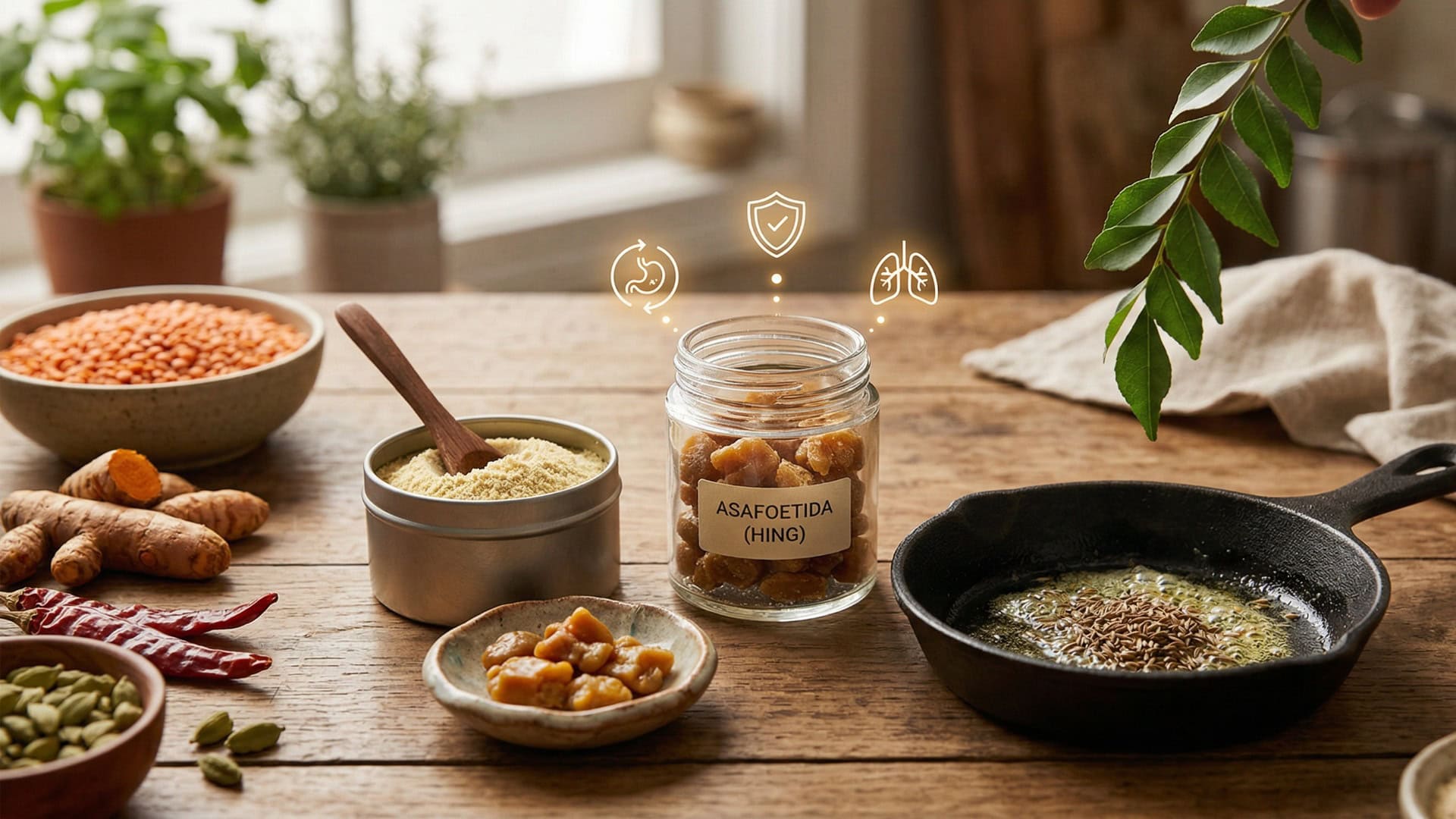
Asafoetida is an ancient gum-resin extracted from the taproots of Ferula species, a tall, carrot-like plant in the Apiaceae family.
Asafoetida grows across arid and mountainous regions of Central and Southwest Asia (such as Afghanistan, Iran, and neighboring areas), with major commercial processing and culinary use in India and nearby regions. Iran and Afghanistan are primary global exporters of the raw resin. Many believe asafoetida originated in India, though the plant is native to Central/Southwest Asia rather than India. However, this spice has been used for centuries in both Ayurvedic medicine and Indian cuisine.
The spice’s pungent, savory flavor can support digestion in culinary dishes. Asafoetida is used in traditional herbal practices and is explored in folklore for nervous agitation, respiratory discomfort (such as mild bronchitis or asthma symptoms), and gas-related bloating or colic. The resin is traditionally described as calming and antispasmodic, helping ease mild digestive gas and bowel discomfort, while traditional texts also mention menstrual and antiparasitic uses.
Volatile compounds in the resin are partly eliminated through the breath and lungs, which explains its traditional use for mild respiratory comfort. Laboratory and animal research also examines potential blood-pressure and blood-thinning effects, though it can interact with blood-thinning or blood-pressure medications.
Since ancient times, plants have been used as medicines, with particular attention focused on searching for traditional herbal remedies. While people have historically valued medicinal herbs alongside conventional care, herbal spices are not a substitute for modern medical treatment.
Asafoetida can add savory depth to many dishes, and cooking with small amounts of asafoetida gives lentils, vegetables, and savory meats a rich, onion-and-garlic-like aroma.
Asa comes from Persian/Latin roots referring to resinous gum, while the Latin foetida (“foetidus”) means “smelling” or “foul-smelling.”
In ancient Sanskrit and Ayurvedic texts, the spice is called hingu (or hing). Hing has a sharp, bitter-pungent taste and a warming quality when tempered in hot oil or ghee. In Ayurveda, asafoetida is traditionally used to support appetite and digestive fire (agni). The spice is widely used as a flavoring agent and is added to many spice blends, curries, stews, gravies, dals, and pickles.
Raw asafoetida has a strong, sulfurous odor and sharp taste. Various cultures call it “devil’s dung” or “stinking gum.” Historically, folk charms or amulets were sometimes worn in attempts to ward off illness, though wearing resin has no proven medical effect against colds or fevers. Interestingly, in ancient Persia and across culinary traditions prized for bold seasonings, pungent aromatics were valued in savory cooking.
Asafoetida is also a key ingredient in traditional Ayurvedic formulas such as Hingashtak churna.
While culinary asafoetida is most famous in Indian, Middle Eastern, and South Asian cooking, trace notes of resinous or savory spices appear in specialty sauces and seasonings worldwide.
The spice remains a staple in many kitchens and traditional practices, alongside cultural and ritual beliefs in various regions.
Extraction and Harvesting of Asafoetida Resin
Harvesting the resin is labor-intensive and requires specialized skill. Harvesters travel to arid or mountainous areas where mature Ferula plants grow. Harvesters tap only plants that have grown for several years (often four to five years or more), as young plants have not yet developed thick, resin-rich roots. Once a mature plant is selected, the crown and upper root are exposed, then covered with earth, stones, or leaves to protect it from sun and wind. A slice is made near the top of the root, and a milky or pale resinous sap oozes out and hardens into gum-resin. After collecting the hardened resin, fresh cuts are made periodically over weeks or months until resin flow stops. Raw gum-resin is dried, ground, and commonly compounded with wheat flour, rice flour, or gum arabic (creating “compounded hing”) to make it easier to measure and temper its strong smell.
How Asafoetida Is Used Around the World
Different cultures have distinct traditional and culinary uses for asafoetida:
-
Afghanistan: Traditional remedies use the resin for digestive complaints and nervous agitation;
-
China and Nepal: Traditional herbal decoctions have been used for intestinal discomfort and worms;
-
Egypt: Used traditionally as a digestive/antispasmodic remedy and mild diuretic;
-
Malaysia: Used in traditional herbal remedies related to menstrual regularity;
-
Morocco: Referenced in traditional folk practices for neurological conditions;
-
Saudi Arabia and the Middle East: Used traditionally for respiratory and digestive comfort;
-
South America: Various regional plants and herbal preparations are used in local folk traditions;
-
India: Asafoetida (hing) holds a central place in both everyday cooking (especially dals, curries, and tempering) and Ayurvedic formulations.
Health Claims, Research, and Contraindications for Asafoetida
Gastrointestinal Comfort
Asafoetida is most widely valued in cooking and traditional remedies for easing mild gas, bloating, and flatulence—especially in bean, lentil, and cabbage dishes.
Cancer Research
While laboratory and animal studies investigate compounds in Ferula species for antioxidant or cytotoxic activity in cell cultures, asafoetida is not a proven treatment to shrink tumors, slow cancer in humans, or prolong survival. Anyone with cancer should follow oncology care and discuss any supplements with their oncologist.
Women’s Health and Pregnancy Precautions
Traditional texts mention asafoetida in connection with menstrual cramping and postpartum traditions, but high doses of asafoetida can stimulate uterine activity and are contraindicated during pregnancy, as they may increase the risk of miscarriage or preterm contractions. It should also be used with caution during breastfeeding unless approved by a doctor, and should not be relied upon to treat infertility or pregnancy complications.
Blood Pressure, Nervous System, Blood Sugar, and Heart Health
Preliminary laboratory and animal studies have examined Ferula extracts for potential effects on blood pressure, blood glucose, and vascular or nervous system signaling, but strong human clinical evidence is limited. Because asafoetida can affect blood clotting and blood pressure, people taking anticoagulants/antiplatelets, blood-pressure drugs, or diabetes medications should consult a doctor before using concentrated forms.
Storage and Safety Tips
When purchasing asafoetida, store it in a tightly sealed glass or metal container (ideally inside a second sealed bag or jar) in a cool, dark pantry so its strong odor does not permeate other foods or your kitchen. Keep culinary amounts small—typically just a pinch (about 1/8 to 1/4 teaspoon of compounded hing) tempered briefly in hot oil or ghee—and avoid giving concentrated asafoetida to young children or infants, as Ferula compounds can cause gastrointestinal irritation or methemoglobinemia risk in infants.