Black Pepper Health Benefits: Culinary Uses, Remedies, and Contraindications
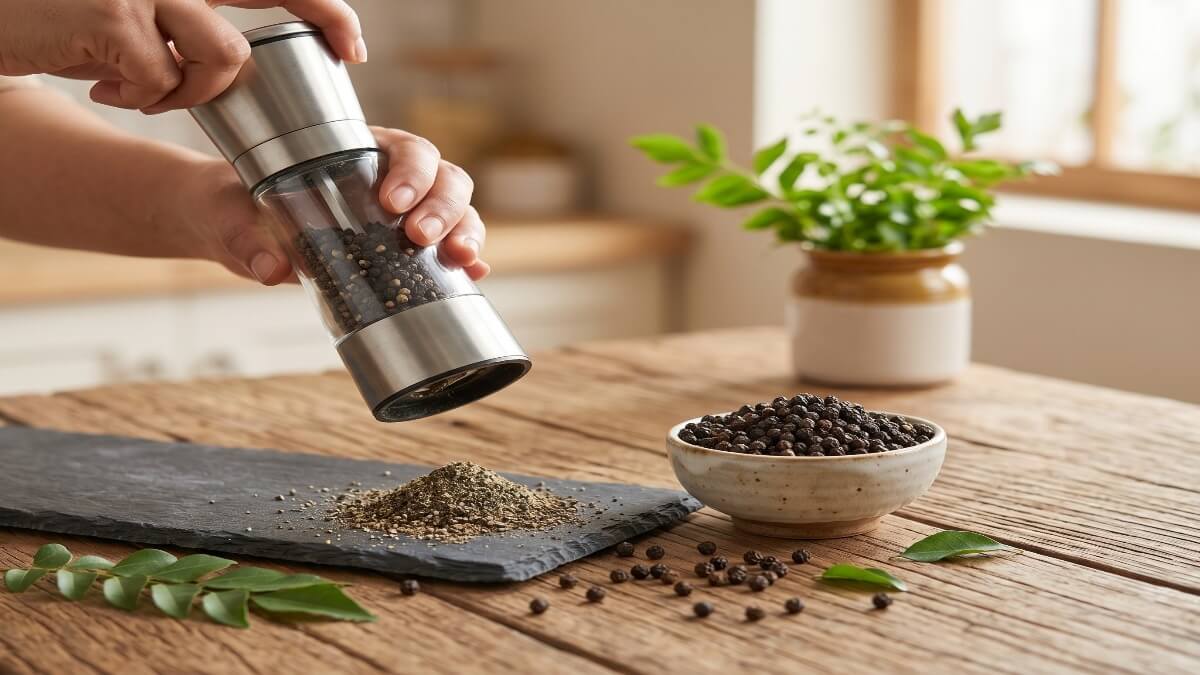
Black pepper has been called the king of spices since ancient times. It was added to almost every dish. .It was one of the most valuable spices, used as currency or as a sacrificial offering. It not only enhances the flavor of dishes but also provides significant health benefits. Pepper is rich in calories, vitamins, minerals, and valuable biological compounds essential for proper bodily function. This spice is widely used in folk medicine recipes.
What Is Black Pepper and What Are Its Main Varieties?
Black peppercorns are native to India. The small fruits grow on a woody vine, Piper nigrum, that can reach up to 6 meters in length. To produce enough black pepper, the plant is specially cultivated on separate plantations. The pepper produces small white flowers that form drooping clusters. The fruits are small, spherical, and encased in a hard shell. They have a pungent taste and a spicy aroma, complemented by fruity notes.
Black pepper is produced from unripe yellow or green berries, also known as Malabar berries. In cooking, they are used whole or ground. There are several varieties of black pepper, differing in appearance and flavor, which help determine how to select them for use:
-
Malabar pepper comes from Kerala, India. It contains a high concentration of piperine. The peppercorns look like large peas and have a very pungent flavor and distinct aroma.
-
Hainan pepper (sometimes referred to locally as Chinese pepper) is grown on Hainan Island and was imported to Europe only recently. It has a light, pleasant flavor and delicate aroma.
-
Sarawak comes from Malaysia and has a subtly spicy aroma.
-
Lampong is grown on the island of Sumatra. It has a high concentration of essential oils. Its seeds are smaller than those of Indian Malabar pepper, but its aroma is just as strong.
Compared to allspice and white pepper, black pepper contains more organic compounds. It requires a dry place for storage. When dried, it retains its usefulness and value for several years. If the berries turn gray, they lose their medicinal properties and aroma. Improper storage leads to the loss of valuable essential oils.
Chemical Composition and Active Compounds in Black Pepper
The health benefits of black pepper depend directly on its composition. The product contains the following substances:
-
carbohydrates;
-
fiber;
-
proteins;
-
alkaloids;
-
vitamins;
-
essential oils;
-
in smaller quantities, ash and fat.
100 grams of black pepper contains trace amounts of ascorbic acid (vitamin C), while oranges remain a far richer everyday source. The main beneficial substance, which makes up the bulk of its active alkaloid composition, is piperine. It gives the spice its distinctive aroma and pungent taste, and experimental research explores how it:
-
inhibits the proliferation of certain viruses, fungi, and bacteria in laboratory studies;
-
improves peripheral blood circulation;
-
enhances the activity of enzymes that process compounds and toxins;
-
helps nutrients be better absorbed;
-
supports healthy blood flow in preclinical models;
-
demonstrates immunomodulatory, anti-inflammatory, antioxidant, and cellular protective effects in laboratory research;
-
is studied for headaches and neurological signaling;
-
participates in the regulation of metabolism;
-
interacts with endorphins and serotonin in brain cells in experimental models;
-
supports the conductivity of nerve impulses.
The pungency of piperine is enhanced by other similar substances present in trace amounts: piperidine, piperettine, and chavicine. In terms of calories, 100 grams of black pepper contains 251 calories.
History and Culinary Uses of Black Pepper
The first mentions of black pepper as a spice appear in Ayurvedic texts. People used it to prepare medicinal tinctures, decoctions, and essential oils for treatment (baths, rinses, rubs, compresses, inhalations) or to take internally. Pepper cultivars also varied in pungency over centuries of cultivation. In Europe, black pepper became prized across ancient trade routes, while in the Americas, the Maya and Aztec civilizations used native chili peppers as their pungent seasoning.
Today, ground black pepper is an essential component of various blends and complex seasonings. It’s added to curries, prepared sauces, and dressings. It can flavor any dish or drink. It’s an excellent warming agent when cold. A burning sensation in the mouth can be alleviated with cow’s milk, a slice of lemon, or yogurt.
In broths and entrees, add peppercorns at the very beginning; they will gradually release their flavor and aroma, while ground pepper should be added at the end of cooking. When frying fish or vegetables, or making batter, sprinkle the spice into the flour. You can add pepper to any main course, vegetable salads, sauces, dressings, and gravies. It adds a piquant flavor even to sweet desserts. Peppercorns are best for marinades.
What Are the Health Benefits of Black Pepper?
Antioxidant Support
The spice inhibits free radical activity, protecting cells from oxidative damage. This property helps prevent premature skin aging and slow down ongoing age-related cellular wear.
Effect on the Gastrointestinal Tract
How black pepper is beneficial for digestion:
-
Regularly adding this spice to food improves nutrient and beta-carotene absorption, supporting overall cardiovascular wellness.
-
Regularly adding this spice to your diet improves digestive function. Just 4–5 black peppercorns stimulate intestinal and pancreatic enzyme production, supporting carbohydrate and fat digestion.
-
In moderate culinary amounts, it supports gut motility, though excessive amounts can irritate sensitive stomachs.
Adding black pepper to food can enhance meal satisfaction and help manage portion sizes and snack frequency alongside a balanced diet.
Anti-Inflammatory Properties
Chronic inflammation is linked to many conditions, including joint discomfort and metabolic disorders. Regular culinary consumption of black pepper may help support comfort in mild joint stiffness. When combined with turmeric, curcumin’s bioavailability and anti-inflammatory potential are significantly enhanced.
Brain Function Support
Piperine, found in black pepper, is studied in preclinical research for neuroprotective effects on brain cells, though it is not a proven medical treatment for Parkinson’s or Alzheimer’s disease.
Blood Glucose Support
Adding spices to food can help make balanced meals more satisfying and is studied for mild effects on insulin sensitivity, though it does not replace diabetes medication.
Cholesterol and Cardiovascular Support
Consuming black pepper as part of a heart-healthy diet rich in spices and vegetables helps reduce reliance on excess salt and supports healthy lipid levels.
Weight Management Support
Adding pepper to food can enhance flavor without calories and mildly support thermogenesis alongside diet and exercise.
Preclinical Cellular Research
In laboratory and animal studies, researchers have studied piperine for antioxidant and cell-protective effects and for influencing how cells respond to chemotherapy drugs, though eating black pepper does not prevent or treat cancer in humans.
Dental, Skincare, and Aromatherapy Uses
Some specialty dental preparations containing black pepper extracts aim to freshen breath and support oral hygiene alongside regular brushing. Concentrated black pepper extracts and essential oils are also found in perfumes, lending a piquant, spicy note to perfumes and eau de toilette.
Black pepper extracts are occasionally included in skincare products for their warming and antioxidant properties. Because essential oils can irritate skin, always dilute them properly in a carrier oil and perform a 24-hour patch test on the inner forearm before wider use.
Essential oil vapors diffused in small amounts are used in aromatherapy for relaxation and mild headache or cold comfort. Three to five drops are sufficient for an aromatherapy lamp, two drops (diluted in a carrier oil or dispersant) for a bath, and 1–2 drops per 10 ml in finished cosmetics.
Diluted essential oils are also used for warming massages. To prepare a massage blend, dilute a few drops of lavender, black pepper, frankincense, and sandalwood essential oils (keeping total essential oil concentration around 1–2%) in a carrier vegetable oil.
Benefits for Men’s and Women’s Health
Benefits for men’s health: Black pepper supports peripheral blood circulation, warms up muscles, and helps ease minor muscle stiffness after heavy physical work or intense training. While traditional folk recipes sometimes mix pepper with milk and sugar for vitality, these are not proven medical treatments for erectile dysfunction.
Benefits for women: Black pepper provides warming and antioxidant properties and adds flavor to low-calorie vegetable juices—such as cucumber (100 ml), tomato, and bell pepper (50 ml each) — with a pinch of ground black pepper as part of a balanced diet.
How Is Pepper Used in Folk Medicine?
Black pepper has been used in folk medicine since ancient times for its warming properties. People use it to make drinks, compresses, ointments, rubs, and decoctions for colds. When combined with honey, pepper can soothe mild throat discomfort (never give honey to infants under 12 months old). How is the spice used in traditional home recipes?
-
For mild cold comfort, dissolve a little turmeric and a pinch of ground black pepper in hot milk.
-
A mixture of pepper and sunflower or olive oil can be used as a warming rub for stiff muscles or joints. Pour 200 ml of oil into a small container and add 2 tablespoons of black peppercorns. Warm in a water bath for 15 minutes, cool, strain, and rub gently onto intact skin.
-
For a mild throat tickle, folk traditions use a tiny pinch of pepper in warm water or honey, though dry pepper should not be swallowed directly, as it can cause coughing or irritation.
-
Do not apply homemade pepper pastes to eczema, boils, open wounds, or warts, as spicy compounds can burn or worsen skin inflammation.
-
Consult a doctor or dermatologist for fungal skin infections such as ringworm rather than relying on home spice pastes.
-
Avoid applying abrasive or spicy pepper scrubs to facial skin, as they can trigger redness and irritation.
Before using black pepper for traditional remedies, consult your doctor. For some chronic conditions, the spice can trigger an exacerbation.
Harmful Properties and Side Effects of Black Pepper
The benefits and harms of black pepper depend on the amount consumed. In small culinary doses, it is safe for health (typically around 5–20 mg of pure piperine per day in supplements, or normal kitchen pinches of ground pepper). However, exceeding safe amounts can cause side effects such as a burning sensation in the stomach and throat, and concentrated pepper can irritate the oral mucosa. Pepper contains substances that increase gastric juice production. Therefore, the spice is not recommended for those with food poisoning or acute stomach upset.
Contraindications to Consuming Black Pepper
In small culinary quantities, the spice is harmless for most healthy adults. However, large amounts or concentrated piperine supplements are contraindicated or require medical caution in the following cases:
-
gastritis;
-
gastric ulcer or duodenal ulcer;
-
acute gastrointestinal illness or food poisoning;
-
kidney, gallbladder, or urinary bladder stones if spicy foods trigger discomfort;
-
uncontrolled hypertension;
-
pathologies of the urinary tract and kidneys;
-
chronic spice allergies;
-
esophageal erosions or severe acid reflux;
-
severe forms of vascular and heart diseases;
-
inflammatory pathologies of the oral cavity.
Consume ground black pepper in normal food amounts with caution during pregnancy and lactation, and avoid concentrated piperine supplements. If you have an individual intolerance or allergy to black pepper, it can cause hives, skin redness, or severe allergic reactions.
Can Children Use Black Pepper?
Strong, hot spices and seasonings are prohibited for infants and toddlers. Small amounts of mild black pepper can be introduced gradually around age 3–5, once their digestive system is more mature. Start with minimal amounts and monitor the child’s reaction.
Moderate culinary pepper is generally fine during adolescence unless the teen experiences acid reflux, gastritis, or skin sensitivity, in which case spicy seasonings should be reduced or eliminated.
The health benefits of black pepper, ground or whole, are wide-ranging. Used in moderation, this spice adds flavor, supports digestion, warms the body, and enriches everyday meals. However, overindulgence in pepper is not recommended; consuming it in large quantities can cause digestive irritation.