Turmeric Health Benefits: Curcumin Dosage, Uses, Side Effects, and Contraindications
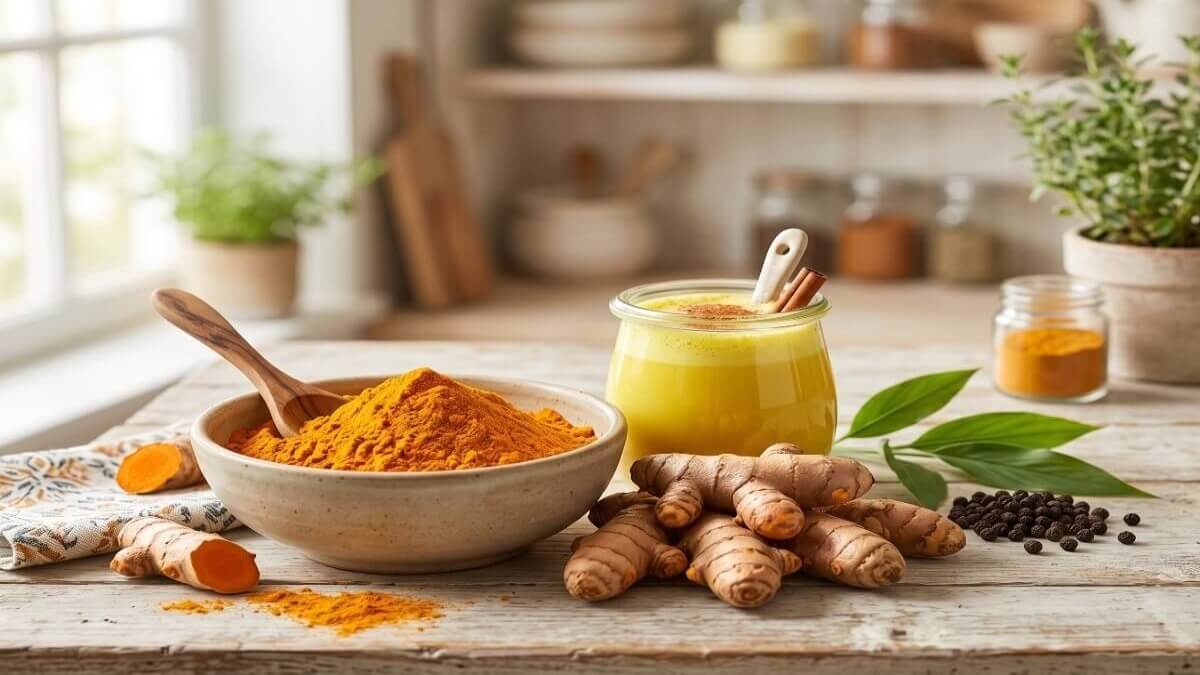
Turmeric has anti-inflammatory properties thanks to curcumin, which can support the immune system and help manage chronic inflammatory symptoms. However, excessive consumption or combination with certain medications can cause stomach problems, liver strain, or interfere with blood clotting.
What Is Turmeric?
Turmeric is a spice derived from the underground stem (rhizome) of the Curcuma longa plant. Turmeric grows in tropical Asia, the West Indies, Africa, and northern Australia.
Turmeric appears as a light-brown rhizome with a bright yellow-orange interior, and in powdered form, it has a rich golden-yellow color. Turmeric is a popular culinary spice used to impart a vibrant golden color and warm, earthy flavor to dishes, particularly in Indian and Southeast Asian cuisine.
The main active component of the turmeric plant is curcumin, which has antioxidant and anti-inflammatory properties. Because of these properties, turmeric may offer supportive health benefits, including supporting immune balance, reducing inflammation, and improving joint comfort. Consult your family doctor before taking concentrated turmeric or curcumin supplements.
What Are the Health Benefits of Turmeric?
Turmeric can benefit the body, but it is not a universal remedy for all ailments and should not replace prescribed drug therapy. Benefits of turmeric:
-
Reduced inflammation. Curcumin in turmeric has notable anti-inflammatory properties. It can help modulate the activity of various molecules (including inflammatory enzymes and cytokines) responsible for inflammation;
-
Fighting free radicals. Curcumin acts as an antioxidant, neutralizing free radicals that can damage cells and contribute to chronic conditions. It helps reduce oxidative stress, which is associated with cellular aging and chronic conditions (such as metabolic and cardiovascular disorders);
-
Pain reduction. Due to its anti-inflammatory properties, standardized curcumin extracts can help reduce joint pain and stiffness, especially in chronic conditions (such as osteoarthritis);
-
Supporting mood. Preliminary clinical studies suggest curcumin may positively support mood alongside standard care by influencing neurotransmitters such as serotonin and dopamine and lowering neuroinflammation;
-
Cardiovascular support. Curcumin may help support healthy blood lipid levels, improve endothelial function (the inner lining of blood vessels), and reduce vascular inflammation—though it is a supportive dietary measure, not a substitute for heart medications.
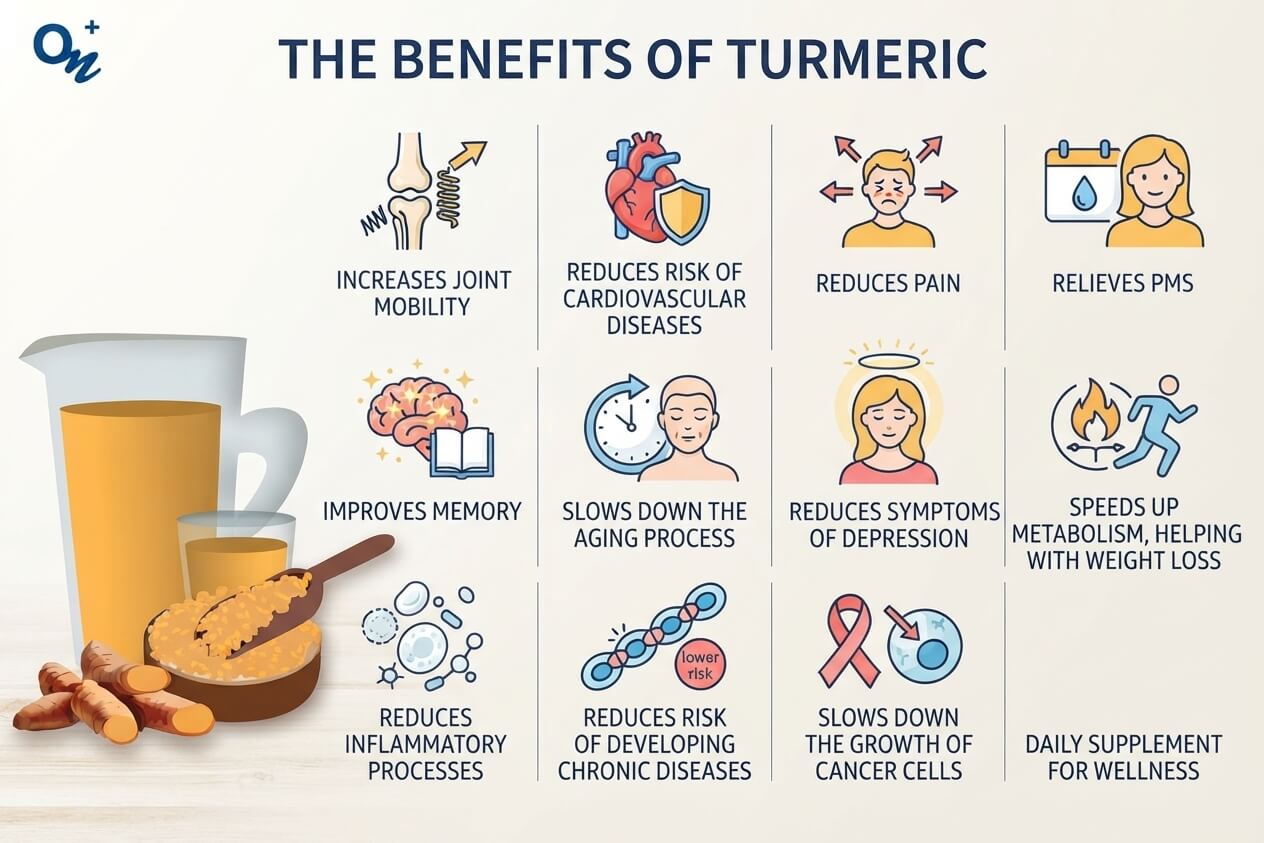
Turmeric is also considered beneficial for joints. Clinical studies show standardized curcumin may help reduce joint pain and swelling and improve mobility in osteoarthritis and rheumatoid arthritis.
Early research has explored whether curcumin or turmeric may help reduce uremic itching (pruritus) in chronic kidney disease or ease mild allergic rhinitis symptoms (sneezing, runny nose), though you should always consult a nephrologist or physician first.
Laboratory and early clinical studies are ongoing to explore curcumin’s potential role in cellular health and cancer research, including colorectal cancer pathways. In preclinical studies, curcumin has been observed to influence abnormal cell growth and apoptosis (programmed cell death), though eating turmeric or taking curcumin is not a proven cancer treatment or standalone prevention method.
Does Turmeric Help You Lose Weight?
Some clinical studies suggest curcumin supplementation alongside diet and exercise may modestly support metabolic health and weight management. Turmeric’s potential mechanisms in weight management:
-
Metabolic support. Experimental studies suggest curcumin may influence thermogenesis and energy metabolism;
-
Reduced inflammation. Chronic low-grade inflammation is often associated with obesity and metabolic disorders. Curcumin’s anti-inflammatory properties may help reduce metabolic inflammation;
-
Blood sugar regulation. Curcumin may modestly improve cellular sensitivity to insulin, helping support steadier blood sugar levels alongside a balanced diet;
-
Fat cell signaling. Laboratory and animal studies suggest curcumin may influence adipose tissue signaling, though human fat loss still depends primarily on a calorie deficit and physical activity.
Turmeric stimulates bile flow from the gallbladder, which aids fat digestion. Supporting healthy digestion helps the body process meals comfortably, which complements a balanced weight-management plan. For culinary use, you can drink warm turmeric water or add the spice to soups, stews, and main courses.
How Is Turmeric Beneficial for Women?
Turmeric’s potential benefits for women include helping ease the severity of premenstrual syndrome (PMS) and dysmenorrhea (painful periods). Drinking warm milk with turmeric at night may help soothe mild inflammation and menstrual cramping by helping modulate inflammatory prostaglandins.
Can You Take Turmeric During Pregnancy and Breastfeeding?
Clinical trials have not established the safety of concentrated curcumin supplements for pregnant or breastfeeding women. Therefore, most doctors recommend avoiding high-dose curcumin supplements and tablets during pregnancy and lactation, and instead using only small culinary amounts of turmeric in foods and drinks. While researchers have studied turmeric’s antioxidant and anti-inflammatory properties in various contexts, pregnant women should not take turmeric to prevent or treat pregnancy complications such as preeclampsia, gestational diabetes, or preterm birth—always follow obstetric care.
Small culinary amounts of turmeric in food or warm drinks can be part of a comforting diet during pregnancy, though your OB-GYN should approve concentrated remedies for swelling, pain, or colds.
Animal studies indicate that taking turmeric or curcumin in high doses during pregnancy may stimulate uterine contractions, affect implantation, or pose risks to pregnancy—another reason concentrated supplements are contraindicated during pregnancy.
Does Turmeric Help Treat Infertility?
Turmeric is not an effective treatment for infertility. In high doses, animal and laboratory studies suggest curcumin may influence hormone-regulating enzymes or temporarily affect sperm motility, so men and women trying to conceive should avoid high-dose curcumin supplements unless advised by a specialist.
Does Turmeric Help with Gastrointestinal Diseases?
Curcumin in large doses or highly bioavailable supplement forms can occasionally cause liver injury (drug-induced liver injury) in susceptible individuals, increasing metabolic strain on the liver. Concentrated turmeric supplements can also interact with medications processed by the liver or prescribed for hepatobiliary conditions.
Some traditional sources suggest consuming turmeric with honey for mild digestive discomfort. However, evidence remains limited and mixed for inflammatory bowel diseases (ulcerative colitis and Crohn’s disease) or irritable bowel syndrome (IBS), and large doses of turmeric can actually trigger stomach upset, nausea, or diarrhea.
Can Turmeric Be Taken to Cleanse Blood Vessels?
High cholesterol levels, especially low-density lipoprotein (LDL), contribute to atherosclerotic plaque buildup in blood vessels. LDL deposits on arterial walls can narrow vessels and reduce elasticity, increasing cardiovascular risk.
While turmeric’s antioxidant and anti-inflammatory properties support overall vascular health, no spice can physically “cleanse” or dissolve existing arterial plaques. If cholesterol is elevated or plaque has formed in the arteries, consult a cardiologist for evidence-based medical treatment.
Why Is Turmeric Beneficial for Older Adults?
Turmeric may support cognitive health in older adults. A 2018 clinical trial found that taking 90 mg of a bioavailable curcumin form twice daily for 18 months improved memory and attention scores in older adults without dementia. However, turmeric with honey or curcumin supplements are not proven treatments for Alzheimer’s disease or dementia.
Is Turmeric Water or “Golden Milk” Good for You?
Turmeric water can be a gentle, caffeine-free way to incorporate the spice into your routine. Drinking warm turmeric water in the evening can be soothing and support hydration. The recipe for turmeric water is simple: heat water to 40–50°C (104–122°F), add ½ teaspoon of turmeric powder to a glass, and stir until smooth (without lumps).
A more popular milk drink with turmeric, ginger, and cinnamon is called “golden milk.” The recipe for golden milk involves warming cow’s or plant-based milk with turmeric, ginger, cinnamon, a pinch of black pepper, and optional nutmeg or honey (avoid adding lemon juice directly to dairy milk, as the acid will curdle it). Adding a tiny pinch of black pepper and a little fat (such as milk fat or coconut oil) enhances curcumin absorption.
What Is the Daily Dose of Turmeric?
The appropriate daily intake of turmeric varies by age, health status, and whether you are using culinary spice or concentrated extract. In culinary use, ½ to 1 teaspoon (about 1.5–3 grams) of ground turmeric per day is typical, while clinical studies of standardized curcumin extracts generally use 500–2,000 mg per day under medical guidance—very high doses (such as 4,000–8,000 mg of concentrated curcumin) increase the risk of gastrointestinal and liver side effects.
How to Use Turmeric Correctly?
Take standardized curcumin supplements only as directed by a healthcare provider; capsules and tablets are typically taken with food containing healthy fats to improve absorption and reduce stomach irritation. You can enjoy culinary turmeric with water, milk, or meals. Do not use homemade turmeric enemas—rectal administration of spices can irritate or burn the intestinal mucosa.
What Dishes Can You Add Turmeric To?
You can add turmeric to a variety of dishes, including curries, soups, and stews, for vibrant golden color and a warm, earthy flavor. You can cook vegetables like zucchini, cauliflower, potatoes, carrots, and eggplant with turmeric. Turmeric also pairs well with rice, lentils, dressings, and smoothies. Its slightly bitter, earthy note also complements poultry, meat, and fish dishes.
How to Take Turmeric for Medicinal Purposes?
Use concentrated turmeric or curcumin for medicinal purposes only as directed by your doctor. Clinical protocols vary by condition and extract formulation, so there isn’t a single standard course for everyone.
Can You Take Turmeric with Medications?
Turmeric, especially concentrated curcumin supplements, can interact with several medications. Medications that require caution or medical review before combining with turmeric include:
-
painkillers and NSAIDs (such as aspirin or ibuprofen, due to additive bleeding/stomach irritation risk);
-
anticoagulants and antiplatelets (blood thinners such as warfarin or clopidogrel);
-
immunosuppressants;
-
certain antibiotics;
-
certain antihistamines;
-
drugs for heart disease and blood pressure;
-
diabetes medications (due to potential additive blood-sugar-lowering effects).
Curcumin may interfere with drug-metabolizing enzymes in the liver, altering blood concentrations or effectiveness of chemotherapy drugs—never take turmeric supplements during chemotherapy without your oncologist’s approval. Taking high doses of turmeric alongside iron supplements may also reduce iron absorption.
What Are Turmeric Supplements?
Turmeric supplements are concentrated products, typically in capsule, tablet, or liquid extract form, standardized for curcuminoids. While dried Curcuma longa root powder typically contains about 2% to 5% (occasionally up to 9%) natural curcuminoids, concentrated extracts are often standardized to 95% curcuminoids.
How to Take Turmeric Supplements?
Take turmeric supplements correctly: only as prescribed or approved by a doctor and according to label instructions. Concentrated supplements carry a higher risk of side effects or liver stress than culinary spice, so many doctors recommend enjoying turmeric primarily in food and tea unless a supplement is medically indicated.
Plain curcumin has low oral bioavailability because the liver and intestinal wall rapidly metabolize and eliminate it.
Adding turmeric to cooked meals with healthy fats and a pinch of black pepper naturally improves absorption. Piperine, found in black pepper, can increase curcumin bioavailability significantly (up to 2,000% in pharmacokinetic studies, though it can also increase absorption of certain medications). Cooking vegetables, lentils, or eggs with turmeric, oil, and black pepper is a safe, balanced way to enjoy the spice daily.
Can Turmeric Be Harmful?
In normal culinary amounts, real turmeric is safe for most healthy people. However, high doses or concentrated supplements can cause side effects, including:
-
nausea and dizziness;
-
upset stomach;
-
loose stools or diarrhea;
-
acid reflux;
-
headaches.
Turmeric root is naturally high in soluble oxalates, which can increase urinary oxalate levels and contribute to kidney stone formation in people prone to calcium-oxalate kidney stones. Consult a physician before taking turmeric capsules.
In some cases, poorly regulated turmeric powders or supplements have been found to contain adulterants, synthetic dyes (such as lead chromate), or heavy metals like lead. Some capsules may also contain fillers derived from wheat, barley, or rye, which can pose risks for people with celiac disease or gluten intolerance. Always choose reputable, third-party tested culinary spices and supplements.
Who Shouldn’t Take Turmeric?
Do not eat or drink turmeric if you are allergic to the spice; symptoms may include rash, hives, abdominal pain, itching, or skin burning. Other contraindications—particularly for concentrated turmeric or curcumin supplements—include:
-
trying to conceive or undergoing fertility treatment;
-
regular use of anticoagulants or antiplatelet blood thinners;
-
upcoming surgery (stop supplements at least 2 weeks beforehand due to bleeding risk);
-
undergoing chemotherapy or radiation therapy;
-
pregnancy or breastfeeding (avoid supplements; limit to small culinary amounts);
-
gallstones or bile duct obstruction.
Despite its beneficial properties, concentrated turmeric is not recommended for those with active liver inflammation (hepatitis) or impaired bile flow (cholestasis). People with hormone-sensitive conditions (such as endometriosis, uterine fibroids, or breast, ovarian, or uterine cancers) should consult an oncologist or gynecologist before using concentrated curcumin supplements. People with diabetes should also avoid sweetening turmeric drinks with honey.